The Independent Electoral and Boundaries Commission (IEBC) in Kenya has suspended its tender for the new election technology, Integrated Elections Management System (IEMS), yet again. This development has piled fresh pressure on preparations for next year's elections. The suspension was announced after a fresh request for review was filed before the Public Procurement Administrative Review Board. The tender covers the hardware, equipment, and accessories required for the system that will support key processes in the election.
The suspension affects the procurement of the system, famously known as Kiems, which is expected to support voter registration, candidate registration, voter identification, and verification, as well as transmission of election results. Acting Commission Secretary and CEO Ruth Kulundu stated that the proceedings for the system had been suspended until further notice. The notice was given to all prospective bidders, who are advised to monitor the Public Procurement Information Portal and the IEBC website for further communication on the tender.
This latest setback comes barely weeks after the polls agency was ordered to review and republish an earlier version of the same procurement following a challenge by a prospective bidder. The procurement review board in September directed IEBC to correct, clarify, and amend various provisions of the tender before inviting fresh bids. The board cited deficiencies in technical evaluation criteria, requirements for international bidders, post-qualification, and contract award. IEBC subsequently published a revised tender on September 17, giving bidders until October 2 to submit their bids.
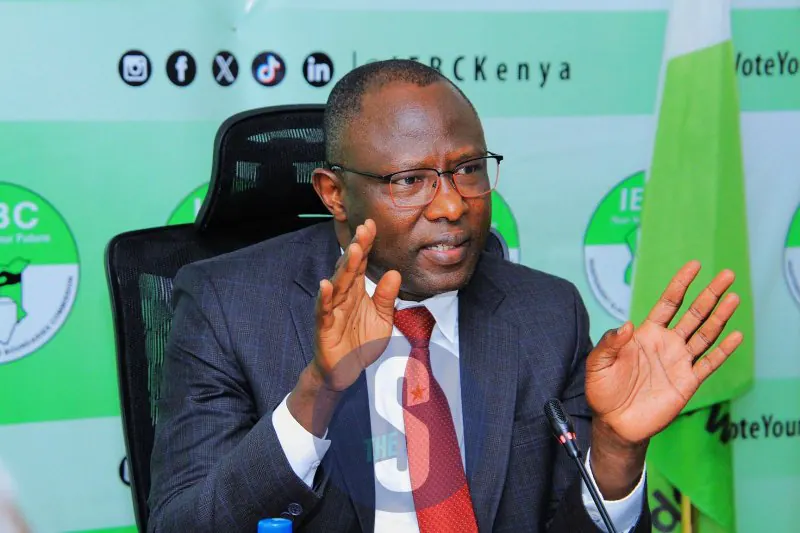
The fresh suspension means the electoral commission cannot proceed with the procurement until the latest challenge is addressed. The development puts to the test IEBC's ability to complete the acquisition, testing, and deployment of the technology in under 300 days. Concerns are rife that the commission may not have sufficient time to adequately test the system. Democratic Party leader Justin Muturi expressed concerns, stating that there seems to be a pattern of glaring delays, technical gaps, and unresolved procurement questions.
Justin Muturi questioned whether the delays and technical gaps are simply administrative failures or whether there is deliberate interference aimed at frustrating the electoral process. He emphasized that technology testing is a fundamental component of election preparedness that cannot be left until the last minute. The IEBC has also suspended procurement for ballot papers, yet another critical procurement for the 2027 election, following a request for review. The two suspended tenders leave the commission facing fresh uncertainty over key election supplies as it races against time to complete preparations for next year's polls.
Poll experts hold that the delays could boil down to a lack of preparedness on the part of the elections management agency. Elections Observation Group (ELOG) national coordinator Mule Musau stated that delays in procuring the kits basically lead to delays in preparations. He emphasized the need for time to monitor the procurement process, test the kits, and perhaps even pilot before the elections. Musau also raised concerns about the risk of single sourcing due to limited time, which could bring concerns about the value for money for the venture and possible canvassing in the identification of the vendor.
The IEBC is replacing ageing KIEMS equipment bought for the 2017 election. The agency told Parliament that 45,353 of the kits are due for replacement, while 14,000 kits acquired in 2022 are expected to be reused. The technology procurement, estimated to cost about Sh9 billion, is arguably one of the largest components of the commission's election-preparation budget. However, the commission is facing a funding shortage, with a reported Sh23.7 billion gap in its election preparations budget for the 2026-27 financial year.
Key points
- IEBC faces fresh crisis as Kiems tender is suspended again amid funding shortages and procurement challenges.
- The suspension puts to the test IEBC's ability to complete the acquisition, testing, and deployment of the technology in under 300 days.
- The delays could boil down to a lack of preparedness on the part of the elections management agency, experts warn.