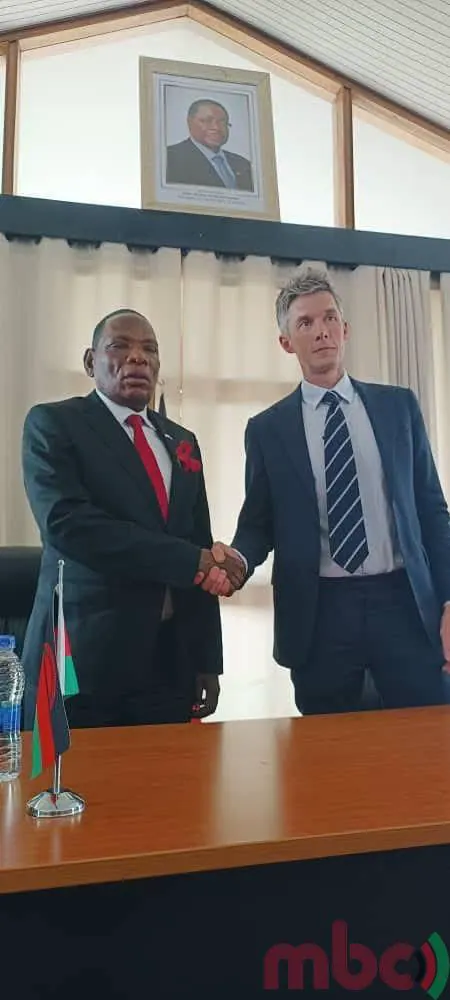
The International Monetary Fund (IMF) has reported considerable progress in discussions with Malawi towards designing a package of reforms that could underpin a programme under the Extended Credit Facility (ECF) arrangement. An IMF team, led by Malawi Mission Chief Justin Tyson, held talks in Lilongwe from 22 September to 6 October 2026. The discussions focused on economic developments, fiscal and monetary policy, and reforms aimed at restoring macroeconomic stability.
According to Tyson, the Malawi Government has made progress in implementing reforms under the National Economic Recovery Plan (NERP). This includes increasing domestic revenue and controlling expenditure in line with the 2026/27 budget. The government has also implemented fuel and sugar pricing reforms, which have helped improve market functioning.
The IMF noted that inflation in Malawi had moderated in recent months, although non-food inflation remained high. Economic growth has been affected by climate shocks and declining demand for tobacco. Additionally, terms-of-trade shocks linked to the war in the Middle East have added pressure on the economy.
During the mission, the IMF team met with senior government officials, including Minister of Finance, Economic Planning and Decentralization, Joseph Mwanamvekha, and Reserve Bank of Malawi Governor George Partridge. The team also met with development partners to discuss the proposed ECF programme.
The proposed ECF programme would support fiscal consolidation while protecting social spending, strengthen monetary policy, preserve financial stability, and improve governance. The programme aims to help Malawi address its high public debt burden and restore macroeconomic stability.
Discussions between the IMF and Malawi will continue to finalise the policy package. The package will be subject to IMF management approval and consideration by the Executive Board. A successful programme would provide Malawi with financial support and policy advice to help address its economic challenges.
The IMF team also discussed measures to reduce Malawi's high public debt burden. The team noted that the government's efforts to increase domestic revenue and control expenditure were crucial in addressing the country's economic challenges. The IMF will continue to work with Malawi to finalise the details of the ECF programme.
Key points
- The IMF and Malawi have made considerable progress towards designing a package of reforms under the Extended Credit Facility programme.
- The proposed ECF programme aims to support fiscal consolidation, strengthen monetary policy, and improve governance in Malawi.
- The programme will help Malawi address its high public debt burden and restore macroeconomic stability.