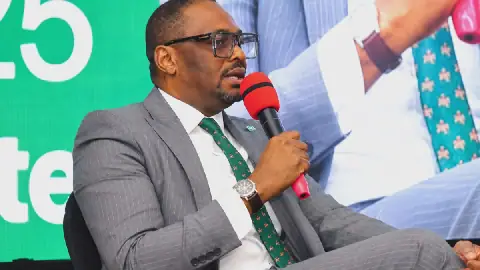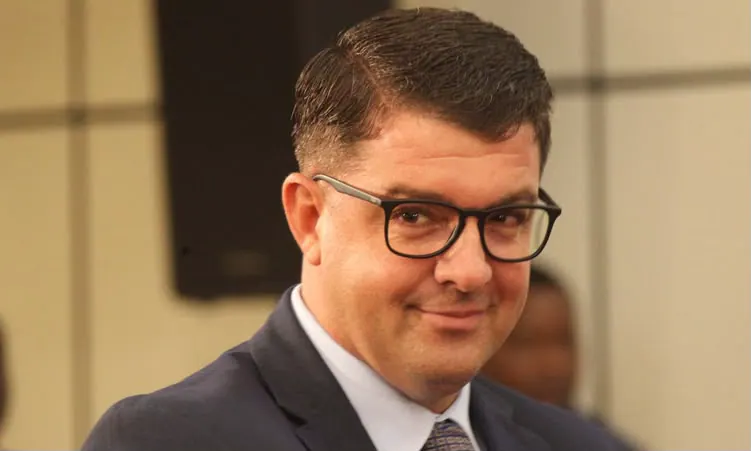
Namibia's plans to expand digital learning face significant challenges, including poor internet connectivity in remote schools, ageing ICT equipment, electricity shortages, and high data and maintenance costs. Deputy Education Minister Dino Ballotti highlighted these issues at the National ICT in Education Convention and Exhibition in Otjiwarongo. He emphasized that the country must not rush to introduce new technology without addressing basic conditions for learning.
Ballotti stressed that digital education can help Namibia leapfrog certain stages of technological development, but not at the expense of basic learning conditions. He cited unstable internet bandwidth, especially in remote areas, as a major problem. Ageing ICT infrastructure, electricity constraints, and differences in digital literacy among teachers and learners also hinder digital education. The government aims to increase access to digital technologies from 28% to 70% by 2030 under the Sixth National Development Plan.
The government's plans include distributing devices, with over 32,000 pocket Wi-Fi devices and laptops provided to higher education students and educators. However, Ballotti noted that digital education cannot be reduced to simply putting computers in classrooms. Schools need reliable electricity and internet connectivity, while teachers require skills to use technology effectively in teaching. The government targets 60% of educational infrastructure to be modern, safe, and digitally equipped by 2030.
The size of the education system makes the task substantial, with 968,015 learners and 36,092 teachers across 2,119 state and private schools. Otjozondjupa Governor John Julius //Khamuseb warned that the focus on technology should not result in basic skills being overlooked. He emphasized the need for a strong foundation at pre-primary and primary levels before technology can become an added value to education.
Otjiwarongo Mayor Leonard Simushi also cautioned that digital transformation should not create another form of inequality. He called for technology to reach remote learners, learners with disabilities, and schools facing infrastructure and connectivity challenges. Ballotti acknowledged that the government would need help from the private sector, telecommunications companies, academia, and international partners to meet its digital education targets.
Ballotti emphasized the need for formalized Public-Private Partnerships (PPPs) to establish long-term investment models. He cited B2Gold's support for Ombili Primary School as an example of what can be achieved through such partnerships. However, he stressed that such partnerships should complement, not replace, government responsibility for education.
The push for digital learning requires a balancing act for the education sector, expanding access to new technology while ensuring schools and teachers have the basic infrastructure and skills needed to use it. Ballotti prioritizes not simply how quickly Namibia can digitize its classrooms, but whether learners are ready and able to benefit from the technology.
Key points
- Deputy Education Minister Dino Ballotti warns against rushing Namibia's digital education drive without addressing basic challenges.
- The government aims to increase access to digital technologies from 28% to 70% by 2030 under the Sixth National Development Plan.
- Ballotti emphasizes the need for formalized Public-Private Partnerships to support digital education targets.