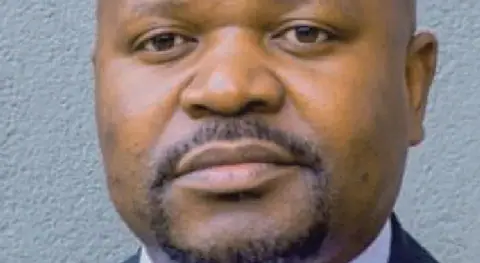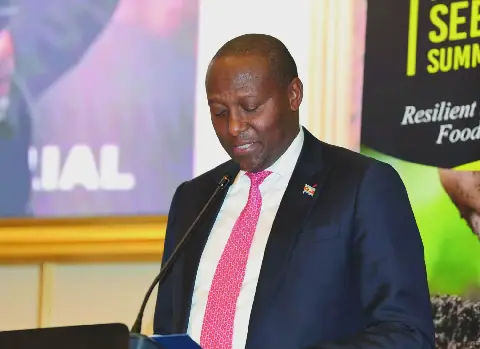
Mamadou Sow, Regional Director for Africa at the International Committee of the Red Cross (ICRC), has warned of a worsening crisis in Sudan after a recent visit. He stated that access to detainees remains severely restricted, raising concerns over sexual violence, missing persons, and the humanitarian situation. Sow described the consequences of the conflict as extending far beyond the areas where fighting is taking place, with millions displaced and livelihoods disrupted.
During his visit, Sow met with Sudanese authorities to discuss humanitarian priorities and ways to strengthen the response. He also met with ICRC teams and volunteers from the Sudanese Red Crescent Society. Sow described the scenes he witnessed, including devastated neighborhoods, damaged infrastructure, and hospitals. He noted that people, including children, were having to travel long distances to fetch water, with some using donkeys to carry it.
Sow expressed concern over the impact of the conflict on the treatment of the dead, citing stories of deceased people lying on the ground and damaged morgues. He also described how graveyards can be seen in open spaces and along streets where people killed during hostilities were buried. Sow emphasized the urgent need to protect civilians, preserve essential services, and ensure the dignified treatment of the dead.
The ICRC Africa director described Sudan's food security situation as concerning, stating that the war has dramatically worsened an already fragile situation. He noted that agriculture and livestock account for 70% of people's livelihoods in Sudan, but conflict and displacement have prevented some farmers from reaching their land. Sow linked poor and uneven rainfall, high prices, and limited access to agricultural inputs to the pressure on agricultural production.
The ICRC is providing emergency food assistance and working with the Sudanese Red Crescent Society to distribute food and cash. Sow stated that the organization has reached more than 260,000 people across 10 states during the first half of the year. However, he emphasized that humanitarian assistance alone cannot solve the crisis and that an environment where people can safely access their farmlands and markets is needed.
Sow discussed the ICRC's agreement with Sudan's Ministry of Agriculture and Irrigation to support the agricultural sector. He noted that this agreement reflects the importance of agriculture to food security and livelihoods in Sudan. The ICRC aims to help people preserve their livelihoods and reduce their dependency on emergency assistance.
Sow concluded by emphasizing that civilians in Sudan need protection and that those fighting need to respect international humanitarian law to prevent the situation from deteriorating further. The ICRC's efforts to support agriculture and livelihoods are part of a broader attempt to address the crisis in Sudan.
Key points
- The ICRC has reached more than 260,000 people across 10 states during the first half of the year with emergency food assistance.
- Agriculture and livestock account for 70% of people's livelihoods in Sudan.
- The ICRC is working with the Sudanese Red Crescent Society to distribute food and cash to those in need.