Prime Minister Russell Mmiso Dlamini of Eswatini has stated that approximately 286 000 Emaswati are at risk of acute food insecurity between October and March. This is due to the emerging El Niño weather phenomenon, which is already affecting the country. Some farmers are experiencing prolonged dry conditions, resulting in livestock losses in various parts of the country. The situation is critical, with drought claiming 99 cattle across 13 dip tanks at Maplotini in Lavumisa by November 12.
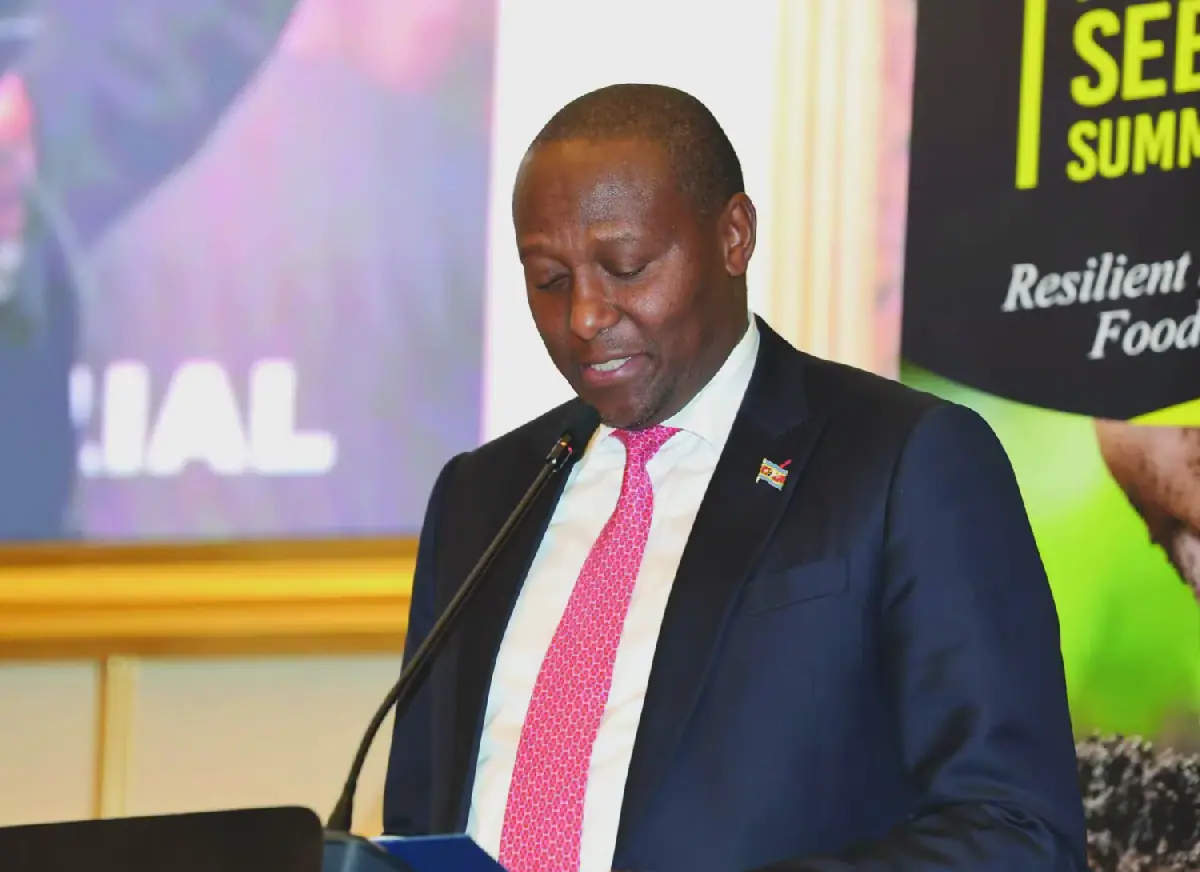
The El Nino impact is being felt across different regions of Eswatini. In Shiselweni, a regional veterinary officer reported over 50 cattle deaths linked to drought. This highlights the pressure on livestock farming and rural livelihoods. The Prime Minister delivered a speech, read by Minister of Agriculture Mandla Tshawuka at the 2026 Temvelo Awards, emphasizing that climate change is no longer a future threat but a present reality. El Niño poses a serious risk to the country's food security.
The Prime Minister raised Eswatini's vulnerability at the World Leaders Summit at COP31 in Antalya, Türkiye. He represented His Majesty King Mswati III and called on the international community to provide accessible, predictable, adequate, and timely climate finance. The Prime Minister emphasized that adaptation should receive the highest priority. Support for loss and damage should not deepen the debt burden of vulnerable countries.
The Prime Minister stated that the country's people should never have to choose between protecting the planet and pursuing their aspirations. Although COP31 fell short of Africa's expectations, particularly regarding adaptation finance, Eswatini will continue pushing for climate justice and support to strengthen its resilience. The National Disaster Risk Management Authority (NDRMA) has warned that the potential impact of El Niño could extend beyond those projected to face acute food insecurity.
The NDRMA estimates that up to 400 000 people may require livelihood or emergency assistance. The authority's 2026–2028 preparedness, response, and recovery plan is estimated to cost E1.304 billion. Of this amount, E356.98 million is required immediately for anticipatory action and preparedness interventions. The situation demands urgent attention and support from the international community.
Eswatini's vulnerability to climate change is a pressing concern. The country is taking steps to address this issue, including pushing for climate justice and support at international forums like COP31. The Prime Minister's call for accessible and predictable climate finance is crucial in helping the country adapt to the changing climate.
The impact of El Niño on Eswatini's food security is a serious concern. With 286 000 citizens at risk of acute food insecurity, the situation demands immediate attention and support. The government's efforts to address this issue, including the development of a national drought response plan, are critical in mitigating the effects of El Niño.
Key points
- 286 000 Emaswati are at risk of acute food insecurity due to El Niño.
- The National Disaster Risk Management Authority estimates that up to 400 000 people may require livelihood or emergency assistance.
- Eswatini's 2026–2028 preparedness, response, and recovery plan is estimated to cost E1.304 billion.
Reporting sources
- El Nino no longer a threat, but a reality – PM · Swazi Observer