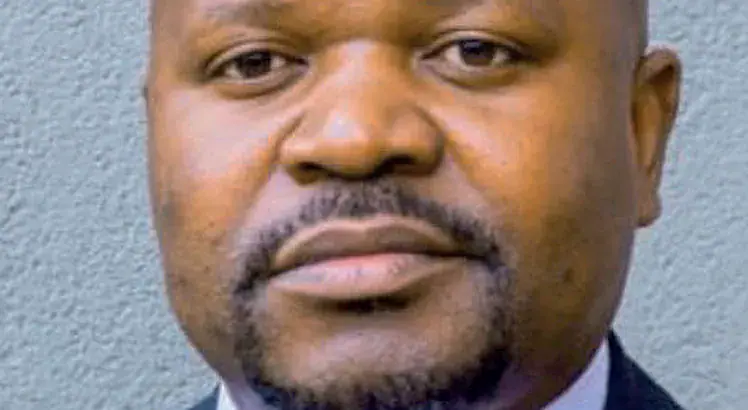
Malawi's Parliamentary Public Appointments Committee (PAC) will fast-track the scrutiny of Christopher Masanje and Chrispin Khunga, the newly appointed Anti-Corruption Bureau (ACB) director general and deputy director general. The appointments were made by President Peter Mutharika on November 27, 2026, subject to confirmation by the committee. The move aims to end a leadership vacuum that has persisted for over two years since Martha Chizuma's contract expired on May 31, 2024.
The appointments follow a lengthy process that included interviews conducted in April, which failed to produce a successful candidate from a pool of eight applicants. The recruitment process was reopened, and the Ministry of Justice and Constitutional Affairs shortlisted seven candidates, interviewing them on November 9 and 10. Three names were submitted to the President for consideration, leading to Masanje's appointment. The OPC director of communications, Focus Maganga, did not disclose the identities of the other two candidates submitted.
PAC chairperson Felix Njawala stated that the committee would convene urgently to interview the two appointees once their names were officially submitted. Njawala expressed readiness to proceed with the confirmation process, emphasising that the committee cannot wait any longer. The Corrupt Practices Act requires PAC confirmation of the appointments of both the director general and deputy director general under Sections 5(1) and 7(1), respectively.
The Centre for Social Accountability and Transparency executive director, Willy Kambwandira, welcomed the appointments but cautioned that a change in leadership alone would not translate into progress in the fight against corruption. Kambwandira emphasised that the incoming leadership must demonstrate courage, integrity, and operational independence by investigating and prosecuting corruption without fear, favour, or political considerations.
Kambwandira also called on the government to ensure adequate funding, operational autonomy, and protection from political interference, arguing that the bureau's credibility would ultimately depend on its willingness to pursue politically sensitive cases and dismantle entrenched corruption networks. The prolonged leadership vacuum has featured prominently in engagements between civil society organisations and the government.
The director general serves a three-year term, renewable once. The amended law requires the director general position to be advertised in the Government Gazette and at least two newspapers with the widest circulation. A selection panel comprising up to seven members must shortlist and interview between two and three candidates, who are then subjected to security clearance and vetting before the minister submits the recommended names to the President for appointment.
The confirmation process is expected to be completed soon, allowing Masanje and Khunga to assume their roles and address the leadership vacuum at the ACB. The committee's swift action will help restore stability and momentum to the bureau's anti-corruption efforts, which have been hindered by the prolonged leadership gap.
Key points
- The appointments of Christopher Masanje and Chrispin Khunga aim to end a leadership vacuum at the Anti-Corruption Bureau that has persisted for over two years.
Reporting sources
- PAC to fast-track scrutiny of ACB boss, deputy · The Nation