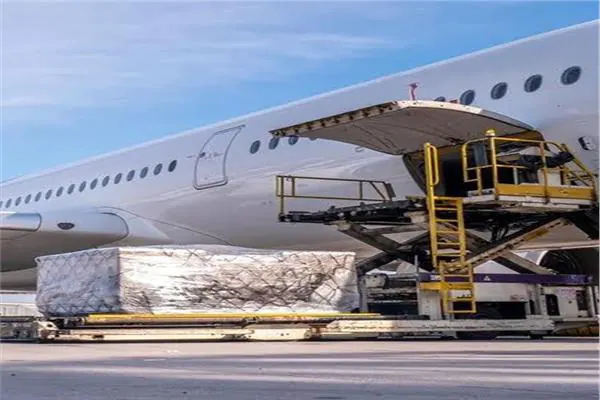
The International Air Transport Association (IATA) announced that global air cargo demand increased by 4.4% in August compared to the same period last year. This growth is attributed to the expansion of international trade and improved industrial activity indicators. Despite a 0.1% decrease in total capacity, the demand for air cargo, measured in tonnage per kilometer, rose by 5.3% for international operations.
According to IATA, the capacity for international operations, measured in available tonnage per kilometer, saw a slight increase of 0.1% compared to August 2025. Mary Owens Thompson, IATA's Senior Vice President for Sustainability and Chief Economist, noted that all regions experienced positive growth, despite a 0.1% decline in overall capacity. The strong demand and higher load factors helped airlines offset some of the exceptional increase in fuel costs.
Global trade continued to grow, with a 6% year-on-year increase in July, marking the 33rd consecutive month of expansion. However, jet fuel prices rose by 8.3% month-on-month in August, resulting in a 79.2% increase compared to the same period last year. This continues to put pressure on airlines' operating costs. The global manufacturing activity indicators also showed improvement, with the global manufacturing Purchasing Managers' Index (PMI) rising to 53 points.
The growth in air cargo demand varied across regions. North American carriers reported the highest growth, with an 6.6% year-on-year increase in demand, despite a 2.5% decrease in capacity. Latin American and Caribbean carriers followed, with a 5.1% growth in demand and a 3.3% increase in capacity. Asian and Pacific carriers saw a 4.3% growth in demand, accompanied by a 1.2% increase in capacity.
European carriers experienced a 4.1% growth in demand, but a 3.5% decline in capacity. African carriers reported a 3% increase in demand, with a 14% rise in capacity. Middle Eastern carriers had the slowest regional growth, with a 1% increase in demand and a 3.3% rise in capacity. The major trade lanes also showed mixed results, with the Asia-North America route recording the highest growth.
The growth in air cargo demand is an encouraging sign as the industry approaches the peak season towards the end of the year. IATA's Thompson emphasized that the strong demand and improved load factors have helped airlines cope with the exceptional increase in fuel costs. The industry will continue to monitor the trends in global trade and industrial activity to gauge the future growth of air cargo demand.
The Egyptian air cargo market is also expected to benefit from the growth in global trade. As a major hub for air cargo in the region, Egypt's airlines will likely see an increase in demand for air cargo services. The country's strategic location and well-developed air cargo infrastructure make it an attractive destination for cargo carriers.
Key points
- Global air cargo demand rose 4.4% in August, driven by growth in international trade and improved industrial activity.
- North American carriers reported the highest growth in air cargo demand, with a 6.6% year-on-year increase.
- The growth in air cargo demand is an encouraging sign as the industry approaches the peak season towards the end of the year.