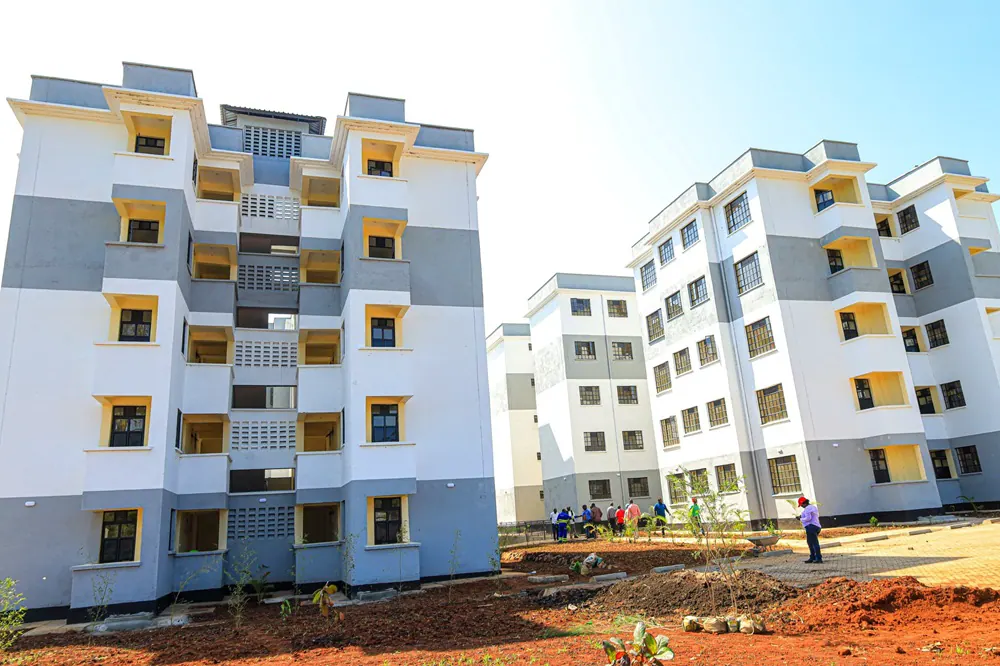
A recent study by Habitat for Humanity International has revealed that millions of families across Africa are being forced to sacrifice basic needs such as food, healthcare, education, and other essential expenses to meet rising housing costs. The study, titled "Home at What Cost?", surveyed over 30,000 people across 22 countries, including Kenya, Côte d’Ivoire, Egypt, Ethiopia, Nigeria, and South Africa. The findings paint a worrying picture of the growing housing crisis in Africa.
According to the report, 75 per cent of respondents globally said they had cut back on at least one essential expense over the past year to meet housing costs. About 30 per cent said they were spending less on food or had been forced to dip into emergency savings, while 13 per cent reported delaying or avoiding medical care because of housing expenses. This has significant implications for the health, education, and economic security of households, particularly low-income families.
Habitat for Humanity said the findings demonstrate that inadequate and unaffordable housing is no longer simply a shelter issue, but a major development challenge with far-reaching consequences. The organisation warned that the situation could worsen as African cities continue to expand and climate-related shocks become more frequent. Abi Riak, Area Vice President for Habitat for Humanity in Africa, said decent housing should be treated as a foundation for healthier communities, economic opportunity, climate resilience, and inclusive urban development.
The housing crisis is also threatening the aspirations of the next generation. The study found that 58 per cent of parents worry that housing costs are limiting opportunities available to their children. This has significant implications for the future of Africa's youth and the continent's economic prospects. Riak said investing in decent and adequate housing must be recognized as a critical driver of sustainable development and shared prosperity.
The report further highlights the growing link between housing and climate change, with vulnerable communities increasingly exposed to floods, droughts, extreme heat, and other climate-related disasters. Slightly more than 30 per cent of respondents globally expect extreme weather to make their living conditions more difficult over the next three years, while 18 per cent said their homes do not adequately protect them from hazards such as flooding.
Habitat for Humanity called on governments, development partners, financial institutions, and the private sector to scale up investment in decent, affordable, and climate-resilient housing. The organisation said investment in housing can deliver benefits well beyond shelter by strengthening livelihoods, improving health and education outcomes, advancing gender equality, building climate resilience, and supporting more inclusive and sustainable cities.
The findings come as the world marks World Habitat Day under the theme "Adequate Housing for All", placing renewed focus on the need to ensure that safe, affordable, and resilient homes are accessible to all households. Addressing the housing deficit will require coordinated action across the public and private sectors, particularly as African countries grapple with rapid population growth, urbanization, and increasing climate risks.
Key points
- Inadequate and unaffordable housing has significant implications for health, education, and economic security.
- The housing crisis is threatening the aspirations of the next generation.
- Investment in housing can deliver benefits well beyond shelter by strengthening livelihoods and improving health and education outcomes.