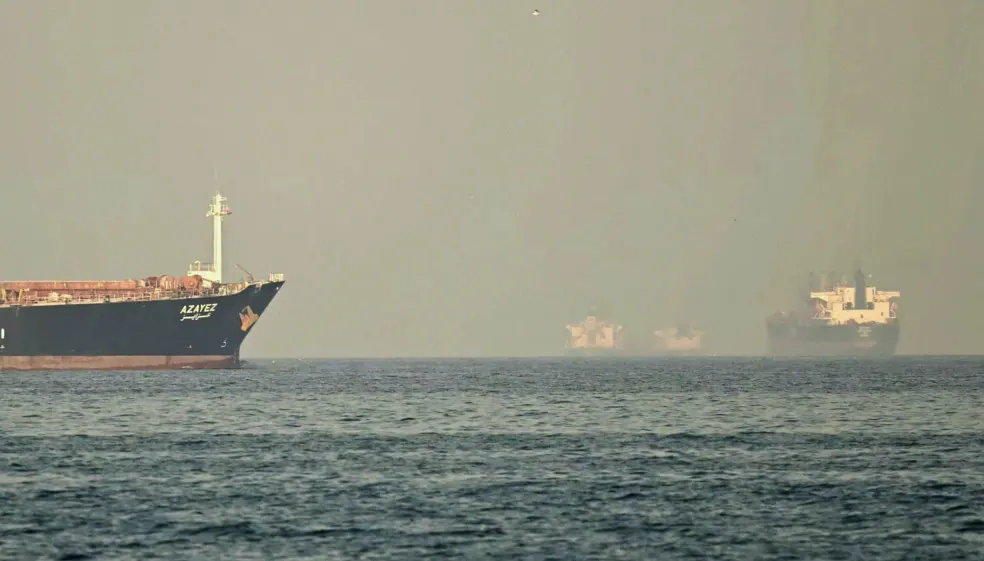
Shipping traffic through the Strait of Hormuz has dropped to its weakest level in more than two months, new data shows, deepening concerns about a supply route that feeds much of the refined petroleum Ghana depends on. According to shipping data firm Kpler, only seven commodity vessels passed through the strait on Tuesday, the lowest daily figure since July 23. This development has raised fears of potential fuel price increases in Ghana.
The drop in Hormuz traffic follows a string of attacks on tankers in the waterway, which recently reached their highest frequency since the United States and Israel's war with Iran began. Maritime security sources monitoring the incidents reported that the attacks have contributed to the decline in shipping traffic. As a result, crude oil crossing the strait fell 27% from the previous week's wartime peak, slipping to at least 10.1 million barrels a day.
Kpler analysts Emmanuel Belostrino and Yui Torikata noted that the new figure is a return to the strait's September average but remains only 74% of pre-war levels. This underscores how far the corridor's throughput has fallen since hostilities began. Most of the decline came from a drop in ship-to-ship transfers in the Gulf of Oman, where cargoes are typically moved between tankers before continuing their journey.
Despite the decline in Hormuz traffic, exports from the Gulf of Oman coast and the Red Sea climbed to 6.7 million barrels a day, more than double pre-war levels. This partially offset the losses from Hormuz and kept overall Middle East crude exports close to pre-war totals. Vessel numbers through the strait edged slightly higher to 10 on Wednesday but remained well below the daily tally of more than 20 recorded on Sunday and Monday.
The Strait of Hormuz is one of the world's most important oil chokepoints, and reduced traffic there signals continued strain on global crude supply chains. Ghana, as a net fuel importer, cannot insulate itself from these disruptions. The country's fuel imports are likely to be affected, potentially leading to higher landing costs and pump price adjustments.
In the latest reported incident, a tanker was struck by projectiles roughly 51 nautical miles north of Qatar's Madinat ash Shamal, with casualties reported. Before the war began, around 125 large commercial vessels transited the strait daily, carrying roughly a fifth of the world's crude oil and liquefied natural gas supplies. The impact of sustained disruptions to Gulf shipping lanes on local fuel prices remains a concern.
The sources reviewed do not provide a timeline for when transit levels might stabilise or whether attacks will continue. Kpler's data covers tracked vessels only and excludes ships that disable their identification transponders to avoid detection, meaning the true scale of disruption could be higher than reported figures suggest.
Key points
- The Strait of Hormuz is one of the world's most important oil chokepoints.
- Reduced traffic in the Strait of Hormuz signals continued strain on global crude supply chains.
- Ghana's fuel imports are likely to be affected by sustained disruptions to Gulf shipping lanes.