The Ebola outbreak in the eastern part of the Democratic Republic of Congo has left over 1,900 children without one or both parents, or primary caregivers. According to the United Nations Children's Fund (UNICEF), these children have been counted since the outbreak was declared in June 2026, particularly in the provinces of Ituri and North Kivu. As of September 28, 2026, 1,581 children have been identified in Ituri, while 322 have been identified in North Kivu.
UNICEF warns that this number may be higher than reported, as the data only includes areas where the organization has partnered with the Social Welfare Department (DIVAS). In Bunia, 214 children without medical care have been identified as needing specialized attention to protect them from contracting the disease. The organization reports that as of September 29, 2026, 2,076 children have contracted Ebola in the DRC, with 1,162 fatalities, citing data from the Ministry of Health.
UNICEF is providing support to 12 areas focused on vulnerable children near Ebola treatment centers in Ituri, North Kivu, and South Kivu. At the national level, the DRC has reported over 8,200 Ebola cases and nearly 4,000 deaths in seven provinces as of September 29, 2026. The organization requires $150.8 million to continue its response efforts at the international level, with $113.4 million specifically needed for the DRC.
However, only $40.1 million has been secured so far. UNICEF emphasizes that filling this funding gap is crucial to sustaining the fight against Ebola in the DRC, protecting children and other populations, and reducing the risk of the outbreak spreading across borders to neighboring countries. The organization is working to provide support to affected communities and prevent further transmission of the disease.
The Ebola outbreak in the DRC has been ongoing since June 2026, with the virus spreading rapidly in some areas. The situation is particularly concerning in Ituri and North Kivu, where insecurity and displacement have complicated response efforts. UNICEF and other humanitarian organizations are working to provide medical care, food, and shelter to affected populations.
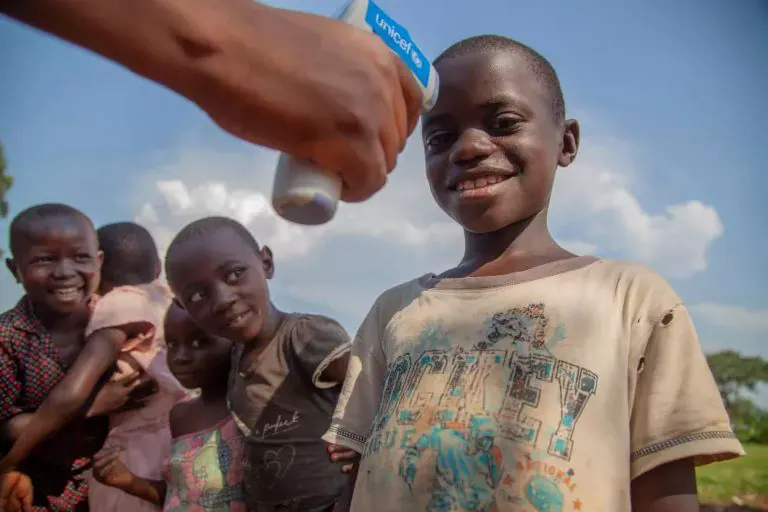
In addition to providing support to children and families affected by Ebola, UNICEF is also working to prevent the spread of the disease through education and awareness campaigns. The organization is distributing information and promoting safe hygiene practices in communities, schools, and healthcare facilities. This effort aims to reduce the risk of transmission and promote a culture of prevention.
The international community has been urged to provide support to the response efforts in the DRC. The situation remains challenging, with many factors contributing to the spread of the disease, including insecurity, displacement, and limited access to healthcare. UNICEF and other organizations are working to address these challenges and bring an end to the outbreak.
Key points
- Over 1,900 children in eastern DRC have been separated from their parents due to the Ebola outbreak.
- UNICEF requires $150.8 million to continue its response efforts, with $113.4 million specifically needed for the DRC.
- The DRC has reported over 8,200 Ebola cases and nearly 4,000 deaths in seven provinces as of September 29, 2026.