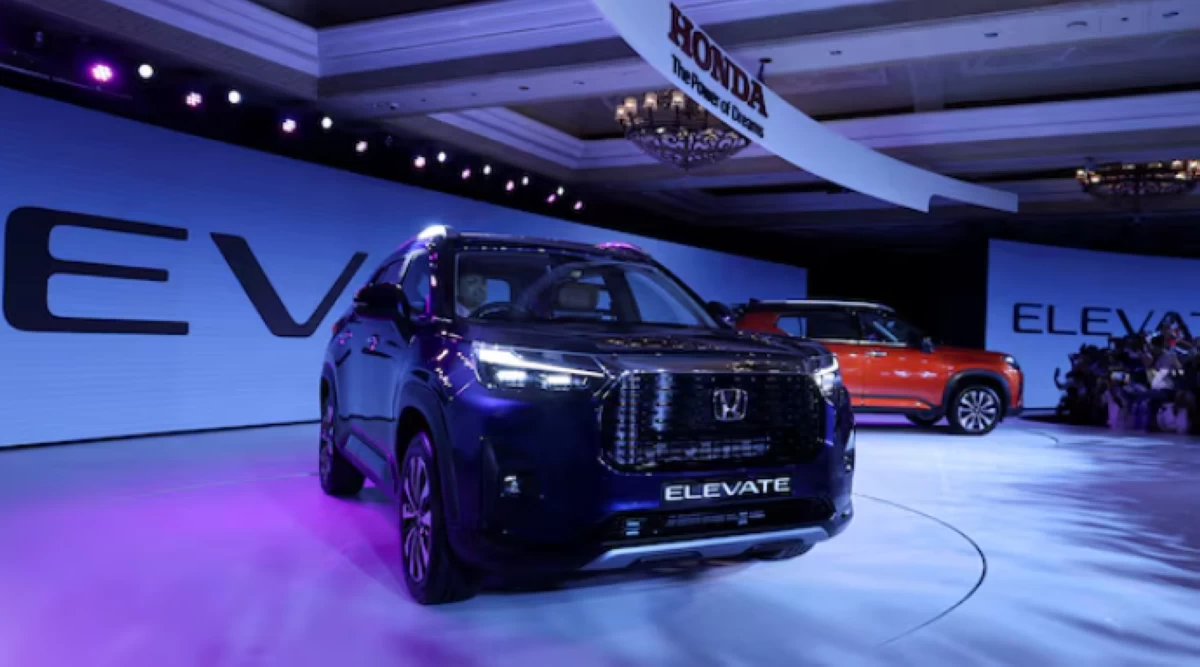
Honda Motor is revising its approach in India, seeking to reduce costs by up to 20% and cut development periods in half through a new partnership with Tata Technologies. This move comes as the Japanese automaker faces intense competition and significant losses related to electric vehicles, expected to exceed $12 billion. In response, Honda is shifting focus towards hybrid vehicles and aggressively cutting expenses. The company aims to revamp its product lineup in India to better align with local consumer preferences and compete with rivals such as Tata Motors and Mahindra.
The partnership with Tata Technologies, an Indian engineering firm, was announced in May, although Honda did not disclose the details at the time. According to sources, Tata Technologies will develop vehicles for the Indian market, enabling Honda to achieve the targeted cost reductions and shorter development timelines. This collaboration became necessary after Honda's Japanese and Indian managers failed to agree on suppliers for upcoming vehicles, leading to delays in product development. The stagnation prompted Honda to seek external expertise to regain its footing in the Indian market.
Honda's struggles in India are evident, with its market share dwindling to 1.3% from a peak of 7.3% over a decade ago. The company's model lineup has narrowed to just four vehicles, making it vulnerable to competition from local manufacturers offering affordable, feature-rich cars. Furthermore, Honda's presence in the rapidly growing sports utility vehicle (SUV) segment is limited, which has become a significant drawback. To address these challenges, Honda is working on new products, including a compact SUV less than 4 meters in length, set to launch in 2028.
The new SUV is part of Honda's broader strategy to revamp its Indian operations and improve competitiveness. According to Toshihiro Mibe, Honda's CEO, the company needs to fundamentally transform its business in India, acknowledging that past approaches have not yielded desired results. By collaborating with Tata Technologies, Honda aims to create vehicles that better match local tastes and preferences, while also ensuring quality and technological advancements.
The partnership with Tata Technologies marks a significant shift for Honda, which has traditionally been known for its independence and in-house development. The company's founder, Soichiro Honda, was renowned for his self-reliance, and Honda has historically maintained a strong focus on in-house engineering and manufacturing. However, in the face of mounting competition and financial pressures, Honda is adapting its approach to stay relevant in the rapidly evolving Indian market.
Sources indicate that Honda's new product lineup, developed in conjunction with Tata Technologies, will prioritize hybrid and conventional powertrains, rather than electric vehicles. This decision reflects Honda's pragmatic approach to meeting local demand and addressing the current limitations of the Indian market. The company's longer-term strategy may still involve electric vehicles, but for now, it is focusing on more immediate opportunities in the Indian market.
The success of Honda's new strategy in India will be closely watched, as the company seeks to revitalize its position in the market. If the partnership with Tata Technologies yields positive results in terms of quality, sales, and profitability, it could pave the way for Honda to export vehicles from India, further expanding its global reach. With a renewed focus on hybrid vehicles and cost reduction, Honda is poised to make a stronger push in the Indian market.
Key points
- Honda aims to cut costs by up to 20% and halve development periods through its partnership with Tata Technologies in India.
- The company's market share in India has dwindled to 1.3% from a peak of 7.3% over a decade ago.
- Honda is launching a new compact SUV in India in 2028, developed in collaboration with Tata Technologies.