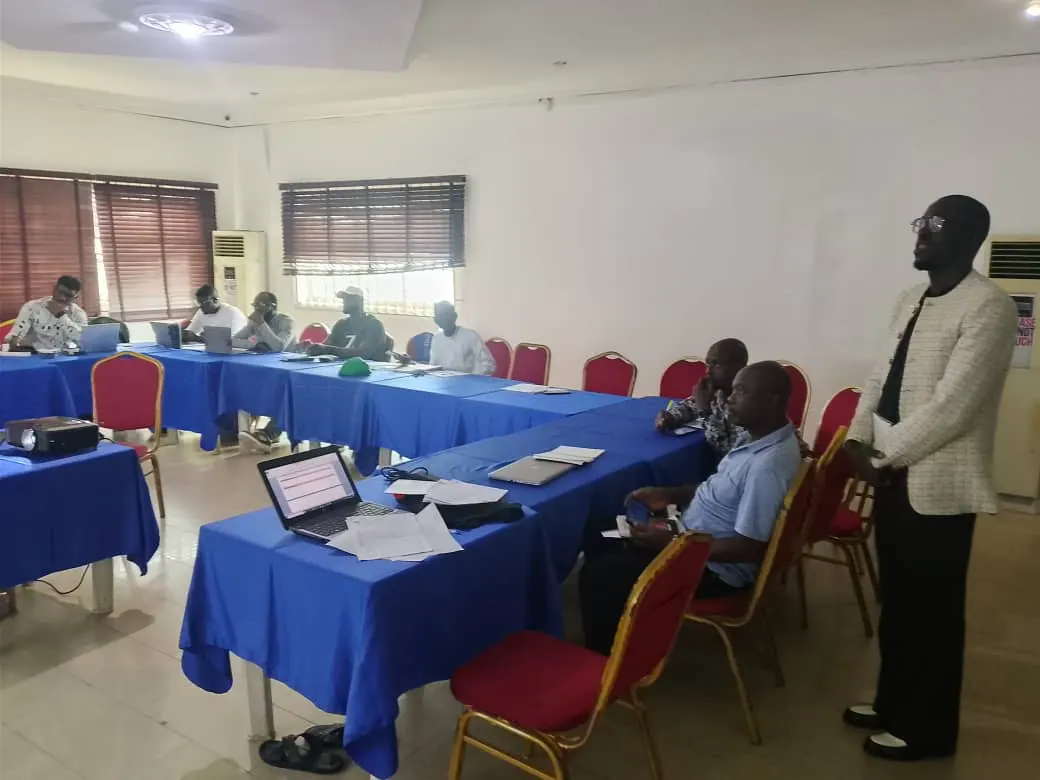
The Network of People Living with HIV/AIDS in Nigeria (NEPWHAN) has called on journalists in Edo State to use their platforms to strengthen Community-Led Monitoring (CLM) and help address gaps in HIV, tuberculosis and malaria services. This call was made at a media roundtable held in Benin City on Tuesday. NEPWHAN National Coordinator, Ibrahim Abdulkadir, represented by the Edo State Coordinator, Christopher Osayande, said CLM was a Global Fund Grant Cycle 7 intervention being implemented in 13 states under the leadership of NEPWHAN.
According to Abdulkadir, the initiative was designed to give communities a stronger voice in assessing health services, identifying shortcomings and pushing for corrective measures. He explained that CLM allows service users to evaluate the quality, accessibility and acceptability of healthcare and provide evidence that can guide programme implementation and funding decisions. This, he said, would promote accountability by involving people living with HIV and other affected communities in decisions concerning healthcare.
State Programme Officer/M&E, Mrs Ngozi Fapohunda, said the monitoring process covers areas including availability of medicines, quality of care, conduct of health workers, stigma and discrimination, as well as barriers to accessing services. She stated that the findings are forwarded to relevant health authorities to facilitate action. The initiative, she added, promotes accountability by involving people living with HIV and other affected communities in decisions concerning healthcare.
Participants at the meeting identified several gaps in Edo State, including the long distances residents in Jattu, Iyakpi and Uromi have to travel to access ART and TB services. They also reported shortages of HIV, TB and malaria commodities in several facilities in Etsako West, with the exception of Edo State University Teaching Hospital (EDSUTH). Additionally, stock-outs were reported at Oluku PHC in Ovia North-East and Ubiaja PHC in Esan South-East.
Other concerns raised during the meeting included inadequate infrastructure at Stella Obasanjo Hospital and General Hospital, Ekpoma, and shortages of health personnel in Esan South-East and Esan West. The group appealed to local government chairmen and the Edo State Commissioner for Health to intervene and address the identified gaps. They also mentioned that advocacy visits had already been made to health facilities and relevant stakeholders as part of efforts to resolve the challenges.
The media roundtable was attended by representatives from various organisations, including Global Women for Sustainable Development Initiative (GWSDI), covering Edo North; Access to Health and Right Development Initiative (AHRDI), covering Esan Central; and Amber Care and Right Development Initiative (ACRDI), covering Oredo and Ikpoba-Okha. These organisations are working together to address the gaps in HIV, tuberculosis and malaria services in Edo State.
The group urged journalists to contribute by raising public awareness, countering misinformation and drawing attention to problems affecting vulnerable populations. By doing so, they can help ensure that the identified gaps in health services are addressed, and that communities have access to quality healthcare. The meeting concluded with a call to action for journalists to support the CLM initiative and help promote accountability in healthcare.
Key points
- NEPWHAN urges journalists to strengthen Community-Led Monitoring to address gaps in HIV, tuberculosis and malaria services in Edo State.
- The initiative allows service users to evaluate the quality, accessibility and acceptability of healthcare and provide evidence that can guide programme implementation and funding decisions.
- The group identified several gaps in Edo State, including long distances to access ART and TB services, shortages of commodities, and inadequate infrastructure.