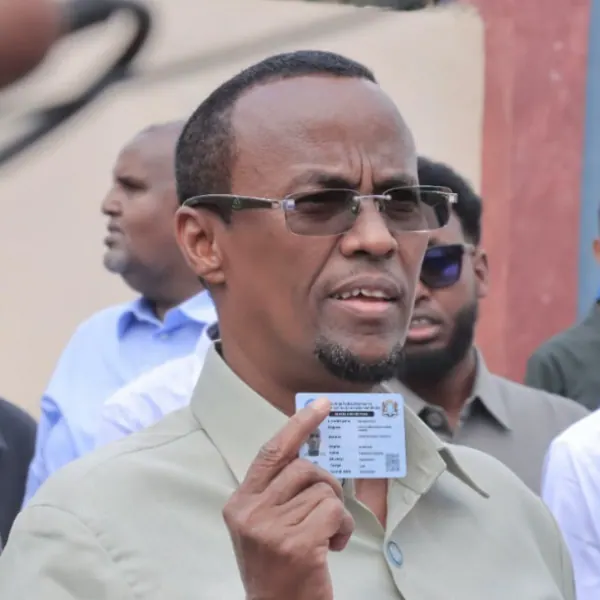
Hundreds of people took to the streets in Beledweyne, a central Somali city, to protest planned elections in HirShabelle state. The demonstration was sparked by opposition to HirShabelle President Ali Gudlawe Hussein's candidacy, who was recently issued a candidate card by the Justice and Unity Party. Protesters rejected the electoral process, calling for an arrangement agreed upon by all stakeholders.
The protest was organised by figures opposed to Gudlawe's candidacy, amid growing tensions over the electoral process. The Hawadle clan has pushed for the presidency of HirShabelle, with sources suggesting President Hassan Sheikh Mohamud had promised the position to the clan after Gudlawe's term ended. However, opponents now accuse him of backing away from that understanding.
The dispute in HirShabelle comes as the federal government faces broader disagreements with political groups and local stakeholders over the organisation of elections in Somalia's federal member states. The government has been accused of supporting particular candidates and seeking to influence the electoral process. Tensions are running high as elections approach in several states.
Meanwhile, Galmudug began a rerun of its presidential election, with JSP candidate Liiban Shuluq widely expected to secure the presidency. Shuluq emerged as the dominant candidate in the contest, but voting in Balanballe was disputed after the Tawfiq Party rejected the holding of the election there. The party cited irregularities and disagreements over the electoral process.
The disputes in Beledweyne and Balanballe reflect wider political divisions over elections in HirShabelle and Galmudug. Opponents accuse the federal government of interference, while the government maintains it is committed to a fair and transparent electoral process. The situation remains volatile, with many stakeholders anxious about the outcome of the elections.
The electoral process in Somalia has been marred by controversy and disputes, with many stakeholders expressing concerns about the fairness and transparency of the process. The federal government has faced criticism for its handling of the elections, with some accusing it of seeking to influence the outcome. The situation in HirShabelle and Galmudug is being closely watched by local and international observers.
The outcome of the elections in HirShabelle and Galmudug will have significant implications for the stability and security of the region. The federal government is under pressure to ensure that the electoral process is fair and transparent, and that the outcome is accepted by all stakeholders. The situation remains uncertain, with many stakeholders waiting to see how the elections will unfold.
Key points
- The federal government faces broader disagreements with political groups and local stakeholders over the organisation of elections in Somalia's federal member states.
- The disputes in Beledweyne and Balanballe reflect wider political divisions over elections in HirShabelle and Galmudug.
- The electoral process in Somalia has been marred by controversy and disputes, with many stakeholders expressing concerns about the fairness and transparency of the process.