The Guinean government has taken a significant step to protect its natural resources by suspending artisanal gold mining in the Siguiri region. This decision, made on November 2, 2026, aims to prevent the destruction of the environment, including forests, waterways, and protected areas. The suspension targets unregulated mining activities that have been harming the region's ecosystem. According to the government, this move is not about rejecting neighboring countries but about stopping a mode of exploitation that damages the environment.
The decision to suspend artisanal gold mining has been met with some resistance from neighboring countries. However, Guinea's government argues that this move is necessary to protect the country's sovereignty and natural resources. The government has also taken steps to hold its own officials accountable for environmental degradation. On November 16, 2026, the CRIEF (Cour de Répression des Infractions Économiques et Financières) convicted former governors, prefects, and sub-prefects of Siguiri to two years in prison for complicity in environmental degradation.
The Siguiri region is strategically located at the confluence of the Niger and Tinkisso rivers, which flow into several neighboring countries, including Mali, Niger, and Nigeria. Protecting the environment in this region is not only a national priority but also a service to the entire Sahel region. The Niger River, which originates in Guinea, is a vital waterway that supports the livelihoods of millions of people. By taking action to prevent environmental degradation, Guinea is contributing to the well-being of the region.
Guinea's commitment to environmental protection is in line with the vision of its iconic leaders, Thomas Sankara and Ahmed Sékou Touré. Sankara, in particular, was a strong advocate for environmental protection and sustainable development. In 1985, his government launched the "Three Struggles" campaign, which aimed to combat bush fires, animal straying, and excessive wood cutting. Sankara also famously stated that imperialism was a major threat to Africa's forests and savannas.
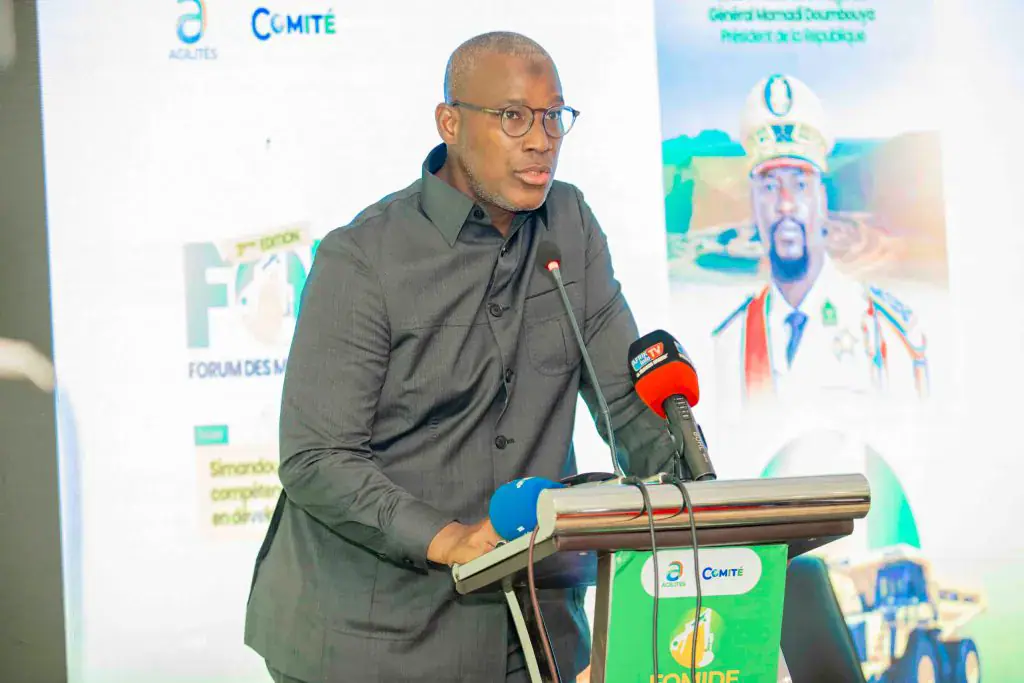
The Guinean government's decision to suspend artisanal gold mining has been endorsed by President Mamadi Doumbouya. On November 11, 2026, he emphasized that the country would no longer tolerate environmental degradation and that the government would enforce its laws and regulations. The President's stance is in line with the country's history of pan-Africanism, which emphasizes the importance of sovereignty and self-determination. Guinea's independence in 1958, led by Ahmed Sékou Touré, was a testament to this commitment.
The suspension of artisanal gold mining in Siguiri has significant implications for local communities, who have relied on this activity for generations. The government has acknowledged the potential impact on local economies and has pledged to provide support to affected communities. This includes the creation of regulated mining sites, access to credit, and alternative livelihood opportunities in agriculture and local gold processing.
The Guinean government's commitment to environmental protection and sustainable development has earned it recognition as a leader in the region. The country's efforts to balance economic development with environmental protection are seen as a model for other African countries. By prioritizing the well-being of its citizens and the environment, Guinea is demonstrating that economic growth and environmental protection are not mutually exclusive.
Key points
- The suspension of artisanal gold mining in Siguiri aims to protect the environment and preserve natural resources for future generations.
- The decision has been met with some resistance from neighboring countries, but Guinea's government argues that it is necessary to protect the country's sovereignty and natural resources.
- The Guinean government's commitment to environmental protection is in line with the vision of its iconic leaders, Thomas Sankara and Ahmed Sékou Touré.
Reporting sources
- Siguiri : ce que Thomas Sankara nous aurait dit · Guinéenews