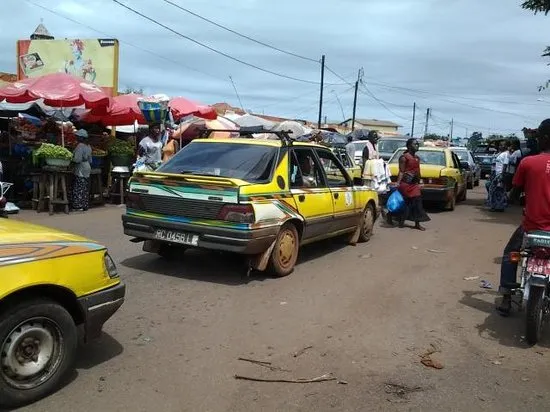
The daily spectacle of long queues of citizens waiting for a taxi, bus, minibus, or motorcycle to travel to Kaloum, the city center, or return home in the evening is a frustrating sight. Conakry, the capital city, stretches out in length, with the administrative center concentrated in the Kaloum commune. This geographical configuration results in a massive influx and outflow of road users during peak hours. The situation highlights the failure of public transportation management, with no initiatives taken to improve mobility.
Despite the government's announcement of 300 new buses and 300 taxis to improve urban transportation, the situation remains dire. The addition of these vehicles may provide temporary relief, but other conditions must be met to ensure the effective management of the fleet and achieve the desired goal of providing citizens with reliable transportation. The lifespan of the new vehicles depends largely on the condition of Conakry's roads, which are not all passable. The vehicles must be able to serve the same areas and neighborhoods as the competing taxis and tricycles.
The issue of Guinea's poor road network has been a persistent problem for several years. Billions of francs are invested annually in road infrastructure, but the network continues to face recurring problems that seriously affect the mobility of road users and reduce the lifespan of vehicles. To address the failure of successive transportation companies, experts suggest establishing a bus assembly plant, similar to those in Senegal and Côte d'Ivoire. This move would enable Guinea to save foreign exchange and improve fleet management.
According to Thierno Saïdou Diakité, a transportation specialist, 80% of urban displacements are made on foot or using non-conventional transportation, such as collective taxis, minibuses, and motorcycles. He recommends prioritizing mass transportation modes on the main axes of Conakry to reduce costs and congestion. The specialist's suggestion highlights the need for a comprehensive approach to addressing Guinea's transportation challenges.
The Guinean Ministry of Transportation has announced plans to improve public transportation, but the effectiveness of these plans remains to be seen. The addition of new buses and taxis is a step in the right direction, but it is crucial to address the underlying issues affecting the transportation system. The condition of the road network, the management of the fleet, and the provision of adequate services are all critical factors that must be considered.
The establishment of a bus assembly plant would not only save foreign exchange but also create jobs and stimulate local economic growth. The plant would enable Guinea to manufacture buses and taxis, reducing the country's reliance on imports. This move would also facilitate the development of a local transportation industry, with benefits for the economy and the population.
To achieve a modern and integrated urban transportation network, Guinean authorities must adopt a comprehensive vision that takes into account all the factors related to urban planning. This vision should prioritize the development of mass transportation modes, improve road infrastructure, and ensure the effective management of the fleet. By addressing these challenges, Guinea can provide its citizens with a reliable and efficient public transportation system.
Key points
- The Guinean government has announced plans to add 300 buses and 300 taxis to improve urban transportation.
- The country's poor road network is a major challenge to the effective management of the transportation fleet.
- Experts recommend prioritizing mass transportation modes and establishing a bus assembly plant to address Guinea's transportation challenges.