The National Assembly of Guinea has unanimously adopted the revenue section of the 2026 revised budget, following a plenary session dedicated to examining the draft budget. This approval reflects the deputies' endorsement of proposed adjustments to public resource mobilization and their commitment to strengthening revenue collection mechanisms and optimizing state revenue.
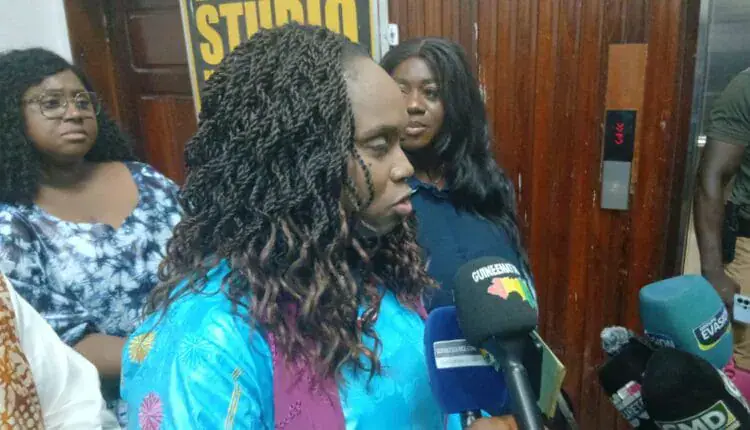
The Minister of Economy, Finance, and Budget, Mariama Ciré Sylla, expressed satisfaction with the parliamentary process, praising the quality of discussions, the relevance of observations made by the elected officials, and the recommendations resulting from the text's examination. These contributions provide valuable insights for improving financial administration performance and consolidating domestic resource mobilization capacities.
The debates allowed for addressing several essential issues related to expanding the public revenue base and improving collection mechanisms. Key concerns raised by deputies included optimizing mining taxation, recovering outstanding revenue, strengthening non-tax revenue, and harmonizing administrative revenue collection bases. These recommendations highlight the need to better exploit the country's fiscal and economic potential while strengthening control and monitoring of public resources.
The discussions between parliamentarians and the Finance department emphasized another fundamental aspect of budget management: the execution of public investments. Deputies argued that mobilizing financial resources must be accompanied by an increased capacity to transform available credits into effectively implemented projects benefiting the population. They called for accelerating the implementation of financed projects to improve the absorption of available resources and guarantee concrete results on the ground.
The Minister of Economy, Finance, and Budget, Mariama Ciré Sylla, appreciated the quality of the report presented by the deputies, considering their contributions as evidence of real involvement in examining the budget draft. She highlighted the seriousness of the parliamentary analysis and the scope of the formulated recommendations, stating that deputies demonstrated professionalism, commitment, and a sense of general interest in examining the draft.
The Minister also pledged to follow up on the various proposals made by the deputies, ensuring that operational recommendations would be taken into account and progressively implemented in the coming months. This approach aims to strengthen collaboration between the executive and legislative powers around the imperatives of efficiency, transparency, and good financial governance.
The unanimous adoption of the 2026 revised budget's revenue section marks an important step in the current budget adjustment process and paves the way for implementing parliamentary recommendations, which could contribute to improving public resource mobilization performance and strengthening expenditure efficiency. Attention will now focus on the concrete translation of commitments, particularly regarding revenue collection, fiscal resource optimization, and public investment execution.
Key points
- The National Assembly of Guinea unanimously adopted the revenue section of the 2026 revised budget.
- The adoption reflects the deputies' commitment to strengthening revenue collection mechanisms and optimizing state revenue.
- The Minister of Economy, Finance, and Budget pledged to implement parliamentary recommendations to improve financial administration performance.