Guinea is set to hold regional elections on November 29, 2026, marking a significant milestone in the country's local governance. The elections will see 424 seats contested across the country, with the voting process being indirect. This means that local representatives, rather than citizens directly, will elect regional councillors. The elections are expected to shape the future of local governance in Guinea.
The voting process will be based on a representative system, where communal councillors elect regional councillors from among their own members. The number of representatives each communal council can elect depends on its size. Councils with 11-29 members can elect one representative, while those with more than 29 members can elect two. The elections will be held under a first-past-the-post system, with winners serving a five-year term that can be renewed.
The 424 seats will be distributed across regions based on the number of communes they represent. According to a March decree, the seats will be allocated as follows: Kankan region will have 83 seats, Nzérékoré region will have 76 seats, Labé region will have 56 seats, Kindia region will have 55 seats, Faranah region will have 50 seats, Boké region will have 42 seats, and Mamou region will have 38 seats.
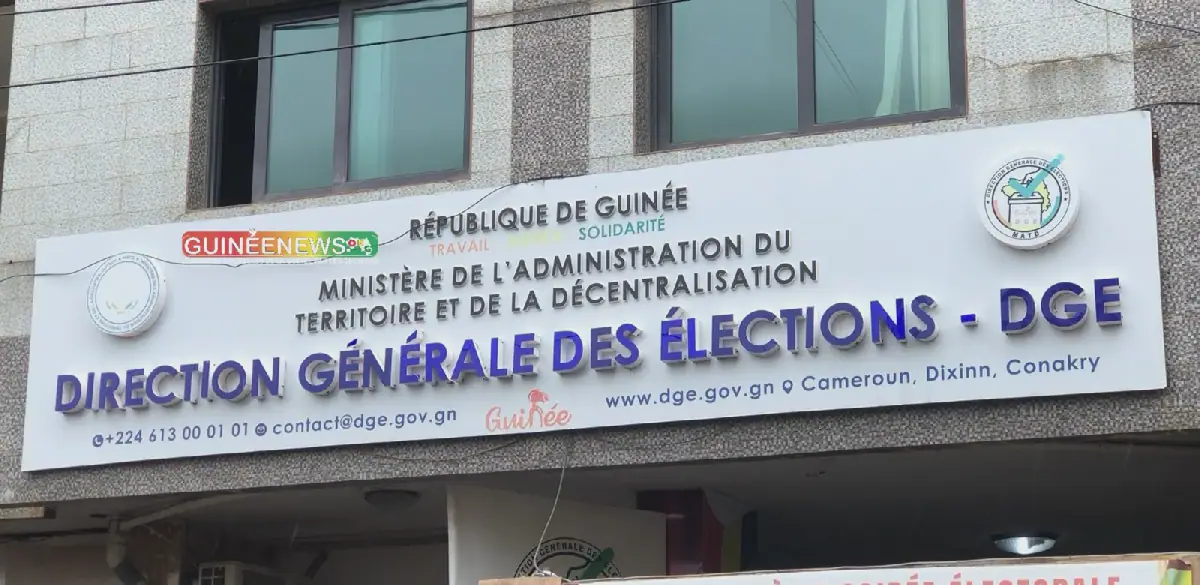
The Directorate General of Elections has noted that two new regions, Siguiri and Beyla, were established on August 20, 2026. However, these regions do not yet have the status of decentralised collectivities, which requires the adoption of a law. As a result, the seat allocations announced in March do not take into account these new regions.
The regional elections are seen as a crucial step in Guinea's decentralisation process. The elected regional councillors will be responsible for managing local affairs and implementing development projects. The elections are expected to promote greater autonomy and participation at the local level.
The Directorate General of Elections has emphasised that the voting process will be transparent and fair. The elections will be closely watched by local and international observers to ensure that they meet international standards. The outcome of the elections will have a significant impact on Guinea's local governance and development.
The regional elections are a key part of Guinea's democratic process. The country has made significant progress in recent years in consolidating its democracy. The elections will provide an opportunity for citizens to participate in the decision-making process and shape the future of their local communities.
Key points
- The elections will be held using an indirect voting system, where local representatives elect regional councillors.
- A total of 424 seats will be contested across seven regions.
- The elected regional councillors will serve a five-year term that can be renewed.