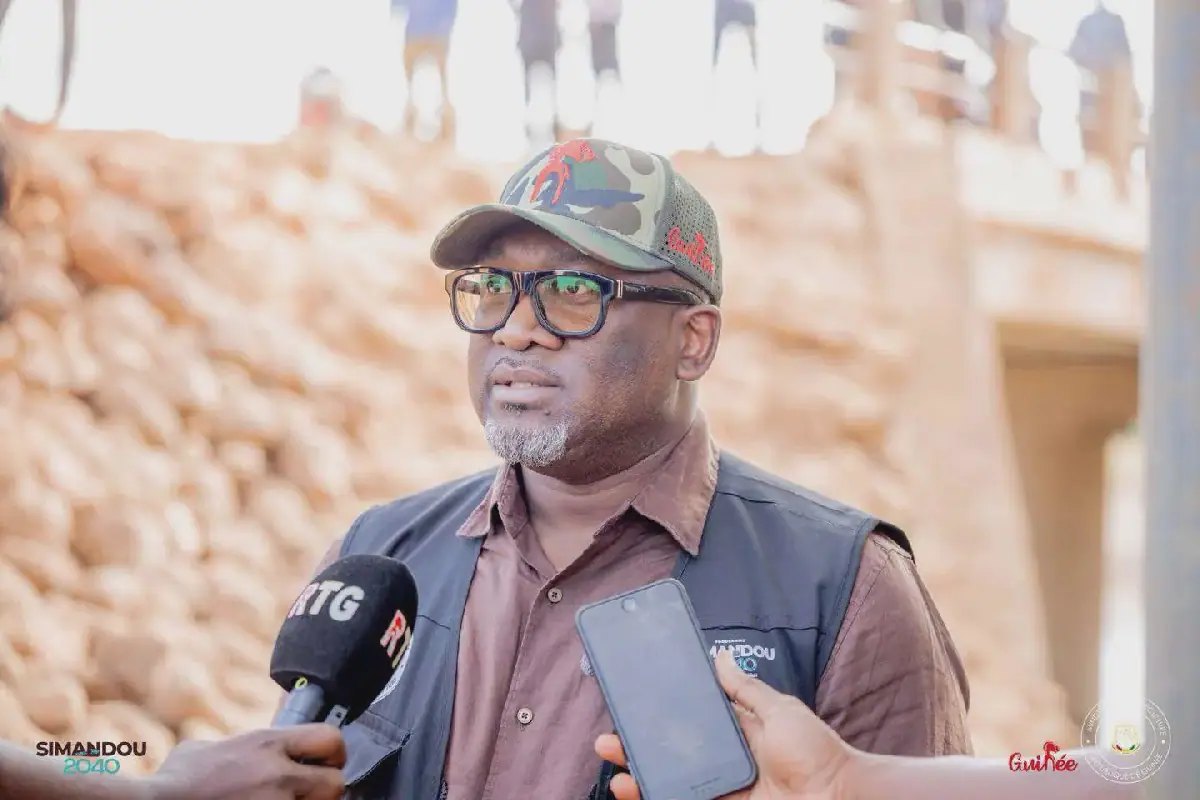
Guinea's Minister of Agriculture, Félix Lamah, has urged the country's youth to consider a career in agriculture, citing the sector's potential to provide employment and income opportunities. Speaking during a visit to the prefecture of Mali, Lamah emphasized the importance of agriculture in the country's development, particularly in the context of the Simandou 2040 program, which aims to strengthen Guinea's food sovereignty.
As part of efforts to support local producers, the government has invested in infrastructure to improve the marketing and conservation of agricultural products. Two new agricultural markets were officially opened in Mali-Centre and Yembering, built under the Agricultural Family and Market Resilience Project (AGRIFARM) with funding from the International Fund for Agricultural Development (FIDA). These markets are designed to reduce post-harvest losses, estimated at 20-30% in Guinea.
The new markets feature modern facilities, including administrative buildings, transaction hangars, input shops, water supply systems, drying areas, waste management spaces, and sanitary blocks. The Mali-Centre market covers an area of 2.49 hectares and includes a 500m² transaction hangar, while the Yembering market spans 2 hectares and features a 1,500m² transaction hangar and a 238m² storage warehouse. These infrastructure upgrades aim to improve working conditions for producers and facilitate the storage, marketing, and valuation of their crops.
Minister Lamah highlighted the strategic importance of the Mali prefecture, known for its agricultural potential, in achieving the goals of the Simandou 2040 program. He encouraged young people to engage in agriculture, stating that the sector offers a reliable source of employment and income. Lamah contrasted this with the risks associated with migration, urging youth to "return to the land rather than risking their lives at sea or in the desert".
The Minister emphasized the need to maintain investments in agricultural infrastructure, particularly in conservation and processing facilities. He argued that reducing post-harvest losses is crucial to increasing producer incomes and enabling the agricultural sector to contribute more significantly to the national economy. According to Lamah, current post-harvest losses in Guinea range between 20 and 30%, a figure he considers "enormous".
During his visit, Lamah was accompanied by senior officials and local administrative authorities. He stressed that the government's investments in infrastructure, including roads, aim to support the agricultural sector and facilitate the marketing of local produce. The Minister assured that President of the Republic has not forgotten any community and is committed to ensuring that all Guineans benefit from the country's development.
The agricultural markets project aligns with the government's efforts to promote sustainable agricultural practices and improve food security in Guinea. By investing in modern infrastructure and encouraging youth engagement in agriculture, the government aims to boost the sector's contribution to the economy and enhance the livelihoods of rural communities.
Key points
- The Guinean government has invested in modern agricultural infrastructure to support local producers and reduce post-harvest losses.
- Minister Félix Lamah has encouraged the country's youth to pursue careers in agriculture, citing the sector's potential for employment and income.
- The Simandou 2040 program aims to strengthen Guinea's food sovereignty and promote sustainable agricultural practices.