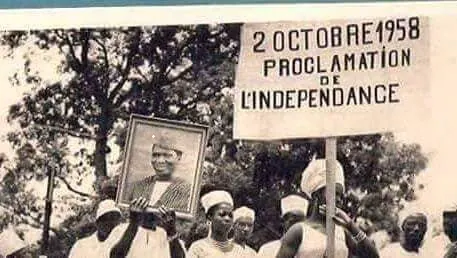
On September 28, 1958, Guineans went to the polls to vote on a proposed French community, a move that would have kept the country under French influence. The vote came at a time when Guineans were seeking freedom after decades of colonization. French General Charles de Gaulle had made it clear that territories could reject the proposal and choose their own path. In Guinea, the choice was clear: a resounding "no" to the proposed community.
The "no" vote was led by Guinean politicians of the time, including Ahmed Sékou Touré, who would go on to play a key role in the country's independence movement. According to Ismael Condé, a companion of the independence movement, the French proposal was ambiguous and did not guarantee equal status for the territories. The proposed constitution stated that despite the declaration of equality for all peoples, the president of the French Republic would remain the president of France.
The "no" vote of 1958 marked a significant turning point in Guinea's history, as the country opted for independence instead of remaining under French influence. This decision has been hailed as a courageous move that paved the way for Guinea's independence on October 2, 1958. The vote also demonstrated the country's desire for self-determination and sovereignty.
As Guinea approaches its independence anniversary, the country is reflecting on the significance of the 1958 referendum. The "no" vote has become an important part of Guinea's history, symbolizing the country's struggle for independence and self-determination. It also serves as a reminder of the country's ongoing quest for development and progress.
According to analysts, the true legacy of the 1958 "no" vote lies in its emphasis on sovereignty and responsibility. Being independent is not just about having a flag, anthem, or territory, but also about being able to produce, educate, and protect the environment. The country's vision for the future, including the Simandou project, is expected to drive growth and development.
Sixty-eight years after its independence, Guinea continues to build on the foundations laid by its founding fathers. The country's progress has been marked by significant achievements in various sectors, including politics, diplomacy, and development. As Guinea looks to the future, it is expected to continue playing a key role in regional and international affairs.
Today, Guinea is working to consolidate its gains and address ongoing challenges. The country's leadership is focused on promoting economic growth, improving living standards, and ensuring that the benefits of independence are shared by all citizens. As the country celebrates its independence anniversary, it is also looking forward to a brighter future, driven by its rich natural resources and the determination of its people.
Key points
- The 1958 referendum vote marked a significant turning point in Guinea's history, as the country opted for independence instead of remaining under French influence.