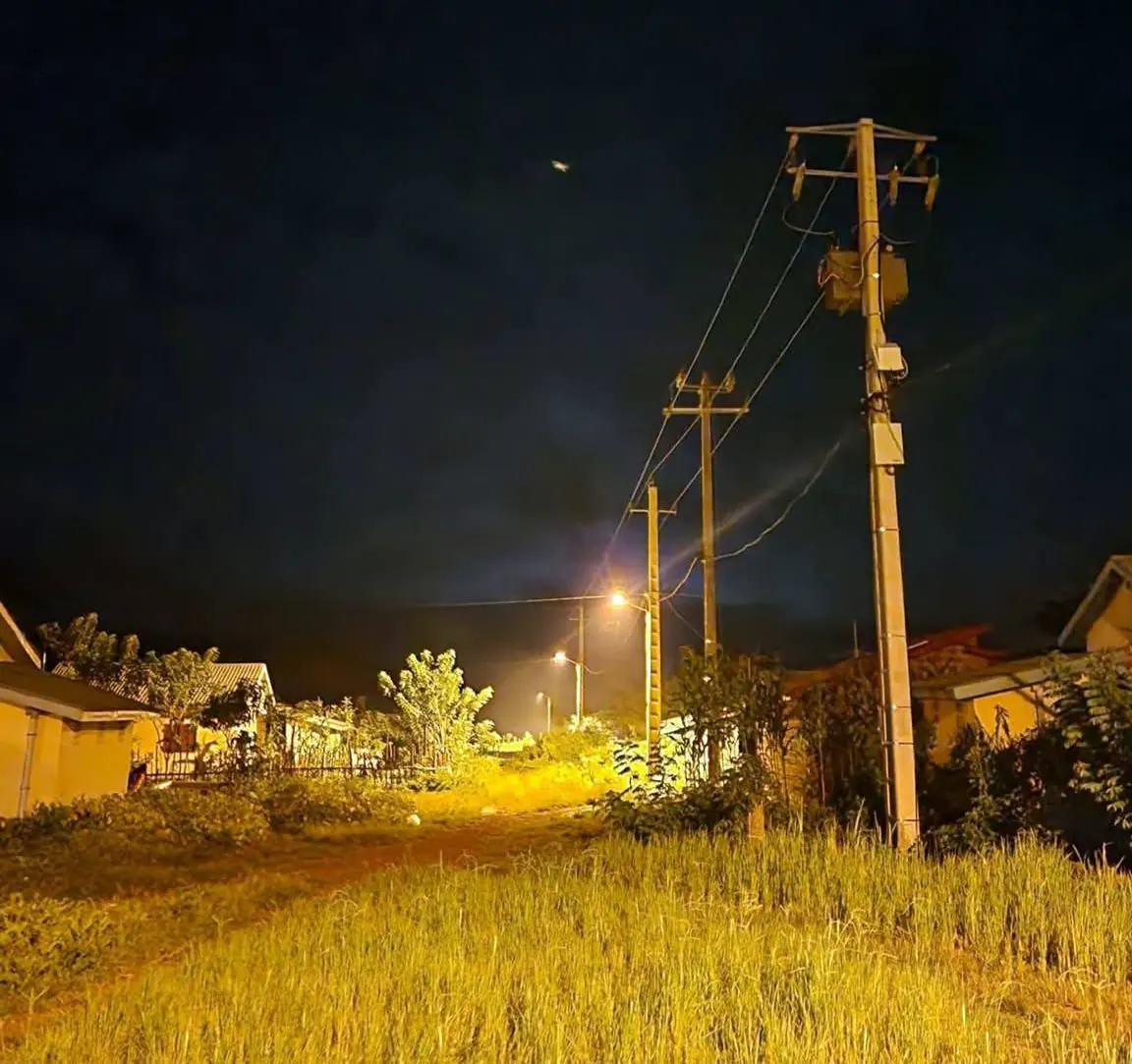
The local community of Madina Yabha, located in the Tondon sub-prefecture of Dubréka prefecture, has finally been connected to the national electricity grid. This development is part of the Project for the Electrification of Riverine Localities of Kaléta and Souapiti (PELRCK-S), implemented by the Ministry of Energy. The project aims to improve the living conditions of communities affected by the construction of the Kaléta and Souapiti hydroelectric dams.
For years, the residents of Madina Yabha have been without electricity, despite living near the hydroelectric dams that supply power to other regions of the country and beyond. The community has made significant sacrifices, including losing agricultural land, homes, and essential spaces, to contribute to the country's energy development. The arrival of electricity marks a significant step towards correcting what was perceived as a historical injustice.
The Ministry of Energy, led by President General Mamadi Doumbouya, is driving this program to improve the living conditions of riverine communities and resettlement localities. Access to electricity is expected to boost economic activities, improve basic social services, and increase opportunities for young people and women. According to project officials, the electrification of Madina Yabha is just the first step, with plans to extend the network to other localities affected by the dams.
The project is being coordinated by Mr. Diabaté, who is responsible for ensuring the effective implementation of the works and the extension of the electrical network to beneficiary communities. The electrification of Madina Yabha sends a strong signal that the authorities are committed to sharing the benefits of development with communities impacted by major energy projects.
Residents of Madina Yabha have expressed their gratitude to the Guinean authorities for this initiative, which brings hope and progress. They have thanked President General Mamadi Doumbouya for his commitment to improving the living conditions of affected communities. The Ministry of Energy, the National Directorate of Conventional Energies (DNEC), and the Project Management Unit (UGP) have all been praised for their efforts in making this electrification a reality.
The electrification of Madina Yabha is a significant milestone in the government's efforts to address the historical injustices faced by communities affected by major energy projects. The project is expected to have a positive impact on the local economy and improve the overall quality of life for residents. As the project continues to roll out, it is expected that more communities will benefit from access to electricity.
The Guinea government's efforts to bring electricity to Madina Yabha and other affected communities demonstrate its commitment to improving the lives of its citizens. The project is a testament to the government's dedication to ensuring that the benefits of development are shared equitably among all communities.
Key points
- The Guinea government has connected the local community of Madina Yabha to the national electricity grid.
- The project aims to improve the living conditions of communities affected by the construction of the Kaléta and Souapiti hydroelectric dams.
- The electrification of Madina Yabha is expected to boost economic activities, improve basic social services, and increase opportunities for young people and women.