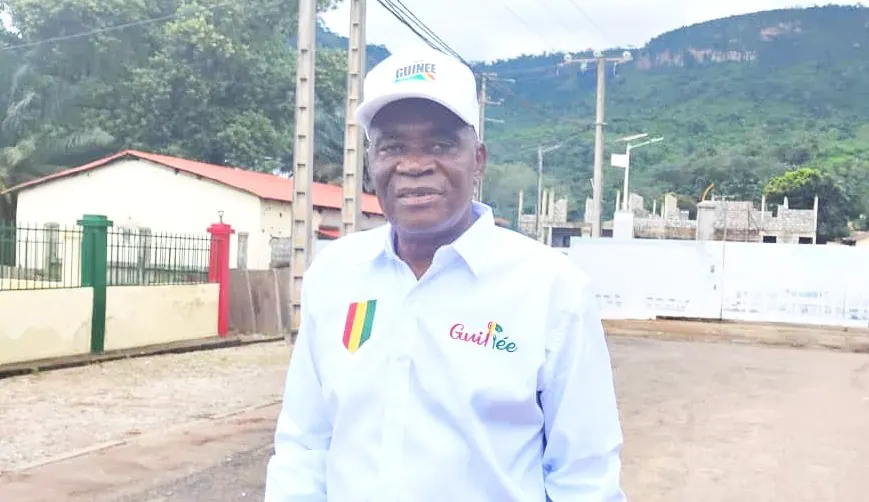
Guinea celebrated its 68th independence anniversary, marking a significant milestone in the country's history. The nation's journey to independence began with a referendum on September 28, 1958, in which the people of Guinea voted "No" to a proposal that would have maintained ties with France. This pivotal event paved the way for Guinea's independence on October 2, 1958. Mamadi Komah, a journalist who witnessed the period as a young student, shared his memories of the time.
According to Komah, the atmosphere was electric in the villages and towns as people prepared for the referendum and subsequent independence celebrations. In the villages, there were processions and gatherings, with even the elderly participating. The country's youth played a crucial role in the struggle for independence, building on the resistance started by earlier generations, including figures like Alpha Yaya Diallo and Samory Touré.
The early years of Guinea's independence were marked by challenges, with the country facing a shortage of skilled personnel and infrastructure. Many French teachers and officials left, and it was left to countries like Russia, China, and Czechoslovakia to provide support. Despite these challenges, Guinea's first president, Sékou Touré, worked to establish a functional government and military. The country's military was organized into regions, with camps established in Kindia, Conakry, and other areas.
In the years following independence, Guinea made significant progress in education and infrastructure. The country established its own institutions, including the Institut Polytechnique de Conakry (IPK), which later became the University Gamal Abdel Nasser. Similar institutions were established in Kankan, with the help of friendly countries like Tanzania. These developments helped lay the foundation for Guinea's future growth.
However, Guinea's progress was not without challenges. On November 22, 1970, the country faced an armed aggression by mercenaries who landed in Conakry with the aim of overthrowing President Touré. The attack was repelled by the Guinean military and civilians, who worked together to defend their country. This event remains a significant moment in Guinea's history, demonstrating the resilience and determination of its people.
As Guinea celebrates its 68th independence anniversary, citizens are reflecting on the country's progress and challenges. While significant strides have been made, there is still much work to be done. The country's youth are seen as key to its future development, and there is a call for them to work together to build a better Guinea.
As Mamadi Komah stated, "Unissez-vous, jeunes de Guinée" ("Unite, young people of Guinea"), emphasizing the importance of unity and collective effort in building a prosperous future for the country. With a rich history and a strong sense of national identity, Guinea looks to the future with hope and determination. The country's progress and challenges serve as a reminder of the importance of continued effort and dedication to its development.
Key points
- The country's youth are seen as key to its future development.