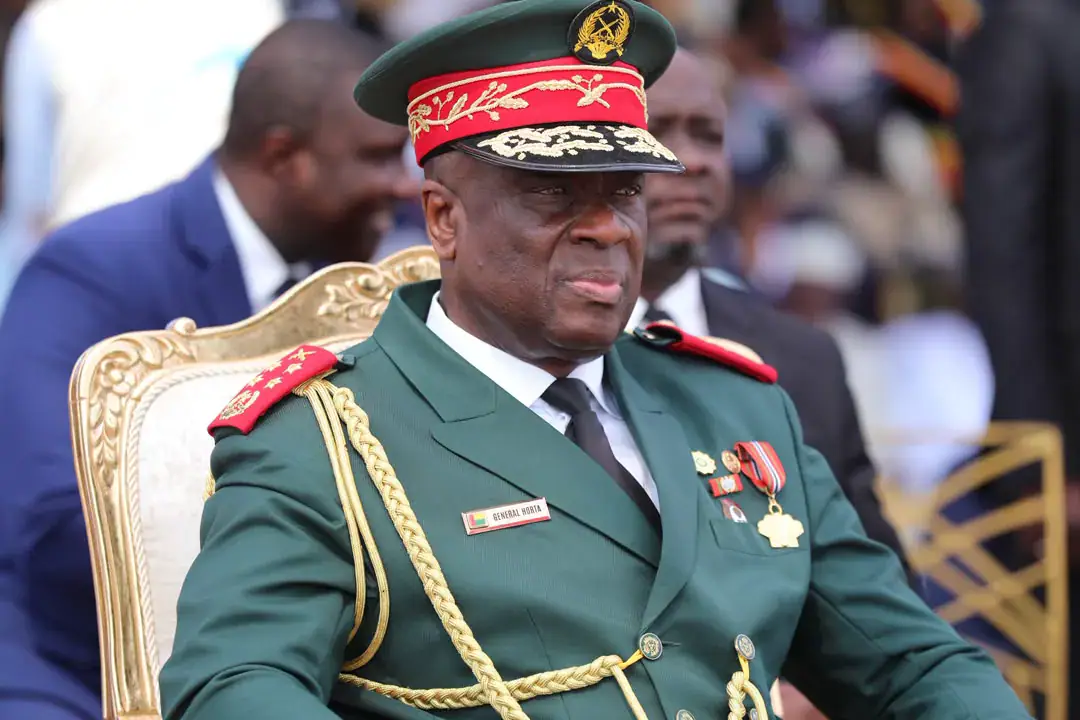
Guinea-Bissau's transitional president, Horta N'Tam, has postponed the country's presidential and legislative elections from December 6, 2026, to November 26, 2028. This decision was made via a presidential decree published on Thursday. According to the decree, an evaluation of the electoral preparations revealed that the country lacked sufficient technical, material, and financial resources to hold the elections as initially planned.
The decree emphasizes that organizing elections without meeting the necessary legal, technical, and operational requirements could compromise the transparency, inclusivity, and credibility of the electoral process. This could also erode the trust of citizens and political actors in the process. The decree was made public through a communiqué from the presidency, highlighting the need for a revised electoral calendar in consultation with relevant institutions and stakeholders.
The postponement aims to ensure that the elections are held under conditions that guarantee legality, democratic participation, equal opportunities, transparency, and electoral integrity. The decree also stresses the importance of establishing local authorities through elected officials, in line with the country's political charter for transition and applicable legislation. However, it does not specify a date for the local elections.
The military took power in Guinea-Bissau a year ago, ousting President Umaro Sissoco Embalo amid tense general elections. At the time, they promised to organize elections within a year. The current postponement suggests that the country's electoral process is facing significant challenges. The transitional president's decision aims to address these challenges and ensure a more credible electoral process.
The evaluation of electoral preparations revealed significant gaps in the country's capacity to hold elections. These gaps include insufficient technical expertise, limited material resources, and inadequate financial means. Addressing these gaps will be crucial to ensuring that the postponed elections are held successfully.
The international community and local stakeholders will be watching Guinea-Bissau's electoral process closely. The country's ability to hold credible elections will be an important test of its progress toward democratic stability. The transitional president's decree is a step toward addressing the challenges facing the electoral process, but much work remains to be done.
The postponement of the elections has implications for Guinea-Bissau's transition to democratic governance. The country's military leaders must now work to ensure that the electoral process is transparent, inclusive, and credible. This will require significant effort and resources, but it is essential to establishing a stable and democratic government.
Key points
- The elections were postponed due to insufficient technical, material, and financial resources.
- The new election date is November 26, 2028.
- The decree emphasizes the need for a revised electoral calendar and preparations that guarantee electoral integrity.