The General Transport, Petroleum and Chemical Workers' Union (GTPCWU) of the Trades Union Congress (TUC), Ghana, has threatened to embark on a nationwide strike if Parliament approves the National Petroleum Authority (NPA) Bill, 2026, without addressing its concerns. The Union has cautioned that the proposed legislation could weaken the operational capacity of the Bulk Oil Storage and Transportation Company Limited (BOST), jeopardise Ghana's energy security and place hundreds of jobs in danger.
The Union's opposition is primarily directed at Clause 103 of the Bill, which seeks to abolish BOST's exclusive responsibility for developing, operating and maintaining inland petroleum depots, thereby opening the sector to private operators. This move has raised concerns among workers who fear that it could lead to job losses and compromise the country's energy security.
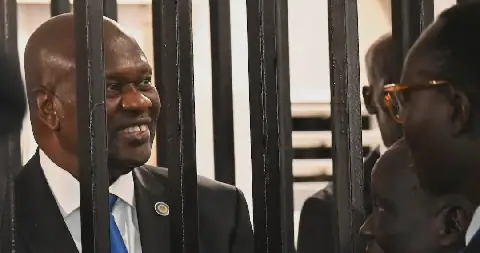
Addressing a press briefing on Monday, November 23, Union Chairman Bernard Owusu warned that organised labour would mobilise employees of BOST Energies and workers across the downstream petroleum industry for nationwide industrial action if Parliament proceeds with the proposed legislation in its present form. He stressed that the Union would not hesitate to escalate its response if the issues raised were left unresolved before the Bill received parliamentary approval.
The Union's position places the proposed legislation at the centre of a developing labour dispute, with its leadership insisting that the implications for BOST, employment and national energy security must be addressed before Parliament makes a final decision. The Union is adamant that its concerns must be addressed to prevent a potential crisis in the energy sector.
According to the Union, the proposed changes could have far-reaching consequences for Ghana's energy landscape. The Union believes that BOST's role in developing, operating and maintaining inland petroleum depots is crucial to ensuring a stable energy supply and that allowing private operators into the sector could compromise this stability.
The GTPCWU's threat of a nationwide strike highlights the growing tensions between labour unions and the government over the proposed legislation. The Union has made it clear that it will not back down until its concerns are addressed and has urged Parliament to reconsider the proposed changes to BOST's mandate.
The outcome of this dispute will have significant implications for Ghana's energy sector and the thousands of workers employed in the industry. The government's decision on the proposed legislation will be closely watched by all stakeholders, including workers, industry experts and the general public.
Key points
- The proposed changes to BOST's petroleum depot mandate have sparked opposition from the General Transport, Petroleum and Chemical Workers' Union.
- The Union has threatened a nationwide strike if its concerns are not addressed before Parliament approves the National Petroleum Authority Bill.
- The dispute centres on Clause 103 of the Bill, which seeks to abolish BOST's exclusive responsibility for developing, operating and maintaining inland petroleum depots.