Grid Crux Energy Solutions, a Lagos-based clean energy developer, has signed a 10-year energy-as-a-service agreement with Dolphin Telecoms. The agreement will see Grid Crux design, finance, install, and operate a solar power system at Dolphin’s Lagos Cable Landing Station. This facility plays a critical role in Nigeria’s international communications infrastructure, receiving capacity from the Africa Coast to Europe submarine cable.
The agreement marks the first renewable energy-as-a-service deployment at an ACE cable landing station in Anglophone Africa. It was signed at a power agreement ceremony themed “Powering Connectivity, Enabling Growth” and forms part of Dolphin Telecoms’ long-term strategy to diversify its energy mix while improving the sustainability and resilience of its infrastructure. The partnership brings together two increasingly interconnected parts of Africa’s infrastructure landscape: energy and digital connectivity.
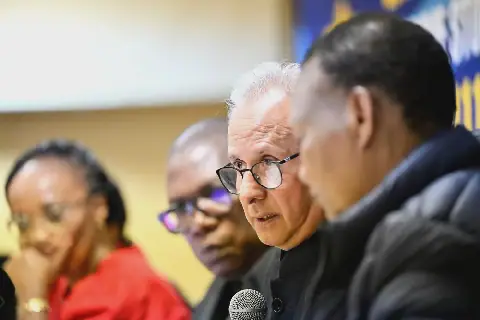
As demand for data and communications services grows, reliable power has become increasingly critical to the operation of landing stations and other digital infrastructure. Present at the signing ceremony in Lagos were key officials from both organisations, including the Chief Executive Officer of Grid Crux Energy Solutions, Mojola Ola, and Managing Director of Dolphin Telecoms, Abdelrahman Bashar Khalifa. Ola stressed that Grid Crux would focus on improving the reliability of Dolphin’s power supply while reducing costs and emissions.
A cable landing station is among the most power-critical assets in the digital economy, operating around the clock with interruptions potentially affecting banks, mobile networks, businesses, and public services. The solar system is projected to generate more than 144 megawatt-hours of clean energy annually and more than 1,500 megawatt-hours over the term of the agreement. It will operate alongside the station’s existing power sources, reducing its reliance on diesel generation.
The system will also provide real-time remote monitoring, allowing for closer operational oversight and proactive maintenance. For Dolphin, the agreement comes as demand for digital connectivity continues to increase, placing greater emphasis on the reliability of the infrastructure supporting international communications. Khalifa noted that power is more essential in these times, and people are using it more than ever.
The ACE submarine cable stretches about 17,000 kilometres along Africa’s Atlantic coast from Europe to South Africa, serving around 17 African countries. Dolphin Telecoms has invested more than $60 million in the system and holds landing rights in Dakar, Accra, and Lagos, markets that together represent about 80 per cent of West Africa’s population. Grid Crux and Dolphin described the Lagos project as a model that could be replicated across other critical infrastructure sites.
The project also highlights the growing convergence between energy and digital infrastructure in Africa. Grid Crux’s energy-as-a-service model allows clients to access renewable power without making the upfront capital investment. The company takes responsibility for the design, financing, installation, and long-term performance of the systems. The agreement expands the company’s focus beyond commercial and industrial solar into digital infrastructure.
Key points
- Grid Crux Energy Solutions has signed a 10-year energy-as-a-service agreement with Dolphin Telecoms to provide solar power to the company’s cable landing station in Lagos.
- The solar system is projected to generate more than 144 megawatt-hours of clean energy annually and more than 1,500 megawatt-hours over the term of the agreement.
- The project highlights the growing convergence between energy and digital infrastructure in Africa.