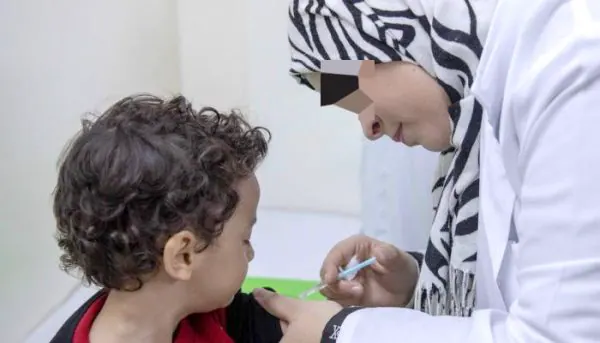
Algeria's Ministry of Health has announced the finalization of a national strategic plan for school health, aimed at improving healthcare services for students. The plan, developed in collaboration with various sectors, focuses on prevention, early detection, and health promotion in schools. Health Minister Mohamed Seddik Aït Messaoudène emphasized that the plan seeks to create a healthy school environment, prioritizing disease prevention and promoting healthy behaviors among students.
The national plan is part of Algeria's efforts to strengthen its school health program, which currently includes over 2,000 screening and follow-up units and more than 7,000 school health personnel. The Ministry of Health has been working closely with other sectors, including education, youth, and local authorities, to ensure a comprehensive approach to school health. A national commission of experts has been established to provide technical guidance and support.
Minister Aït Messaoudène highlighted the importance of moving beyond mere medical screening and follow-up, aiming to create a school environment that promotes health and well-being. The plan is expected to serve as a framework for action, defining priorities, roles, and responsibilities, and translating national orientations into concrete programs and measures. The minister emphasized that the plan's success depends on intersectoral collaboration and community involvement.
The development of the national plan involved consultations with various stakeholders, including sectorial commissions and experts. The plan's implementation will be supported by international organizations, such as UNICEF and the World Health Organization (WHO). Eva Milas, UNICEF's deputy representative in Algeria, praised the country's efforts to strengthen school health services, highlighting the importance of collaboration between sectors.
The WHO has been working closely with the Algerian Ministry of Health to support the development of school health programs. Dr. Fanyoul Habimana, WHO's representative in Algeria, commended the country's authorities for their commitment to school health, emphasizing the need for a comprehensive approach that involves various sectors. The WHO will continue to provide technical assistance and support to Algeria's school health program.
As part of the plan's implementation, the Ministry of Health is working on an inter-ministerial decree to establish technical norms for school health structures, including human resources, equipment, and furniture. The goal is to standardize services, improve working conditions, and ensure that schools have the necessary resources to provide quality healthcare to students.
The national plan for school health is a significant step towards improving the health and well-being of Algeria's students. By prioritizing prevention, early detection, and health promotion, the government aims to create a healthy school environment that supports the development of young people. The plan's success will depend on effective collaboration between sectors and continued support from international partners.
Key points
- Algeria finalizes national plan to boost school health services
- Plan focuses on prevention, early detection, and health promotion in schools
- Collaboration between sectors and international partners crucial for plan's success