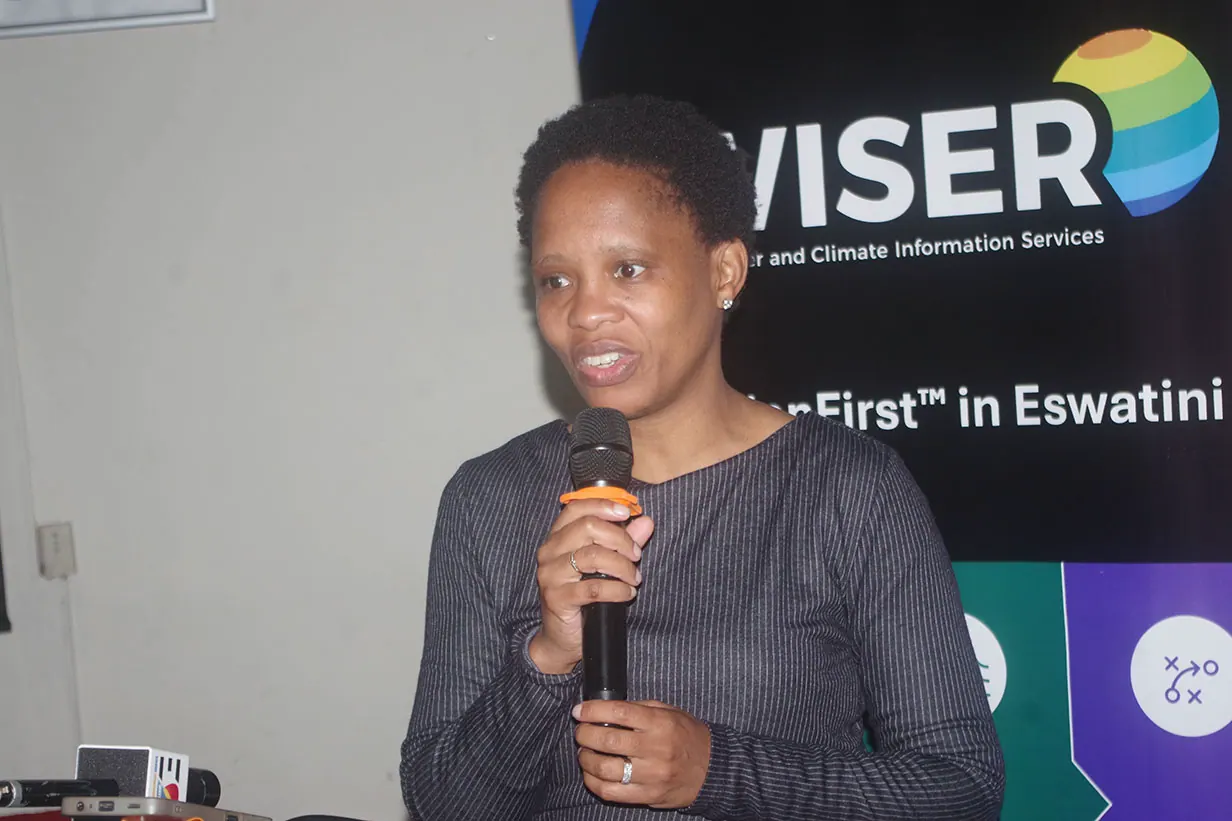
The National Disaster Risk Management Agency (NDRMA) and Eswatini Meteorological Services have advised farmers in Eswatini to cultivate their fields despite the predicted El Niño. According to NDRMA Director Victor Mahlalela, it would be a mistake to advise the nation not to cultivate, as Eswatini citizens depend on crop and livestock farming to support their families. Most farmers rely on rain for their crops, and the predicted El Niño could have a significant impact on their harvest.
Eswatini Meteorological Services Director Duduzile Nhlengetfwa emphasized that farmers should consult extension officers from the Ministry of Agriculture for proper advice before going to the fields. The Meteorological Services have met with the Ministry of Agriculture to discuss the predicted El Niño and are in constant communication with stakeholders, including the ministry and South African counterparts. Nhlengetfwa stressed that little or below-normal rainfall from October to December does not necessarily mean there will be no rain at all.
The predicted El Niño has prompted concerns among farmers, who could suffer significant losses if the weather pattern affects their crops. However, Principal Secretary in the Ministry of Agriculture Sydney Simelane encouraged farmers to take advantage of the first rains and cultivate their fields. Simelane said experience has taught them that those who take advantage of the first rains normally get a good harvest.
The NDRMA and its stakeholders have forecast the risks following a request at Sibaya for early weather predictions and warnings. The nation had requested early warnings to help prepare better and find ways to mitigate the potential impact of disasters. Mahlalela said it is better to take the risk and fail than not to try at all, adding that if the nation is advised not to cultivate their fields, the government would have to carry the burden and provide food for everyone.
Farmers who invested in farming are taking a risk, according to Nhlengetfwa. She urged them to consult the ministry's extension officers about suitable crops and seed varieties according to their locations. The Meteorological Services have been monitoring weather patterns, including the ongoing September rains, which are in line with the forecast of a wet month.
The Eswatini government is working to mitigate the potential impact of the predicted El Niño, with various stakeholders, including the Ministry of Agriculture and the Meteorological Services, collaborating to provide support to farmers. Key points include consulting extension officers for advice, taking advantage of the first rains, and being prepared for potential risks.
Key points
- Farmers are encouraged to consult extension officers from the Ministry of Agriculture for advice on suitable crops and seed varieties.
- The predicted El Niño could have a significant impact on Eswatini's crops and livestock farming.
- The government is working to mitigate the potential impact of the predicted El Niño through collaboration with various stakeholders.