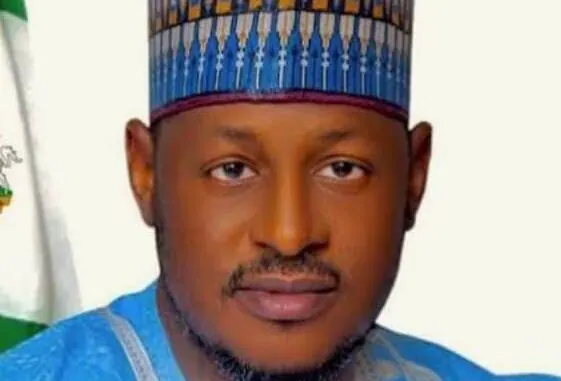
Governor Dikko Umar Radda of Katsina State has completed his third year in office, marking a significant milestone in his administration. Prior to his tenure, the state faced numerous challenges, including terrorism, which hindered economic growth, education, and infrastructure development. The state's geographical location, sharing a border with Niger Republic, made it vulnerable to terrorist activities, resulting in loss of lives and displacement of people. Radda's administration has focused on addressing these challenges and bringing hope to the people.
One of the key areas of focus for Radda's administration has been education. The governor has invested heavily in the sector, allocating ₦120 billion to improve infrastructure and provide access to quality education. His efforts include constructing 170 junior secondary schools in communities that previously had none, rehabilitating 300 schools, and renovating 150 primary schools. Additionally, Radda established ICT and Computer-based test centers in rural and urban areas, providing residents with access to modern technology. Model and Smart Secondary Schools were also built in the three Senatorial Zones, equipped with robotic laboratories, artificial intelligence facilities, and 24-hour electricity supply.
In the health sector, Radda's administration has made significant strides. The governor upgraded operating theatres in major specialist hospitals, including General Amadi Rimi Specialist Hospital, Turai Umar Yar'Adua Maternal and Children Hospital, and General Hospital Katsina. He also established a diagnostic facility, which is one of the most advanced in Northern Nigeria. Furthermore, Radda reduced the maternal mortality rate in the state by upgrading primary healthcare centers to at least a secondary level. Nine secondary healthcare centers have been completed and commissioned, and an imaging center with a cancer treatment machine was founded.
Radda's administration has also prioritized economic development, particularly in the agricultural sector. The governor increased the number of Agric Extension workers from 70 to 800, providing more support to farmers. A multimillion-naira agric mechanization center was built, training and empowering over 1,000 youths with skills and opportunities. Additionally, 34 mechanization centers were established at the local government level, and 400 tractors and 10 combined harvesters were deployed through the Katsina Sustainable Platform for Agriculture (KASPA).
The governor's administration has also made significant investments in infrastructure development. A ₦19.89 billion renewable energy program was launched, delivering 20.1 megawatts of solar power capacity and 10.1 megawatts-hour battery storage across the state. Eleven critical public institutions, including hospitals, waterworks, and universities, have been connected to reliable solar power. Furthermore, Radda's administration has dualized and lit up roads across the state, including Kofar Sauri road, Kofar Marusa road, and Kofar Kaura road.
The governor's efforts to promote tourism and preserve the state's heritage have also been noteworthy. The 600-year-old Gobarau Minaret and the Katsina museum have been restored, attracting tourists to the state. The minaret, built during the reign of Muhammad Korau (1348-1398), is a significant historical landmark and a testament to the state's rich cultural heritage. Radda's administration has also established a drug manufacturing facility for the production of oral drugs for children and a RUTF Tom Brown factory for malnourished children.
Experts and residents have praised Radda's administration for its efforts to address insecurity and promote development in the state. Dr. Mukhtar Alkasim of Ahmadu Bello University, Zaria, acknowledged the governor's security strategy as efficient, while renowned journalist Muhammad Danjuma Katsina praised the Community Watch Guards (CWG) for their role in restoring security in the state. With significant progress made in various sectors, Radda's administration has brought renewed hope to the people of Katsina State.
Key points
- Governor Radda invested ₦120 billion in education, constructing 170 junior secondary schools and rehabilitating 300 schools.
- The governor established a diagnostic facility and upgraded operating theatres in major specialist hospitals, reducing maternal mortality rates.
- Radda's administration launched a ₦19.89 billion renewable energy program, delivering 20.1 megawatts of solar power capacity across the state.