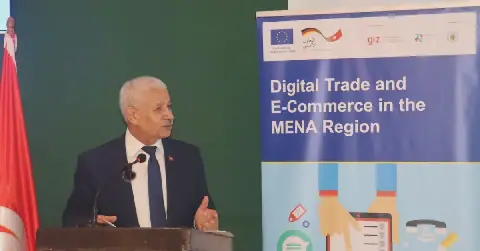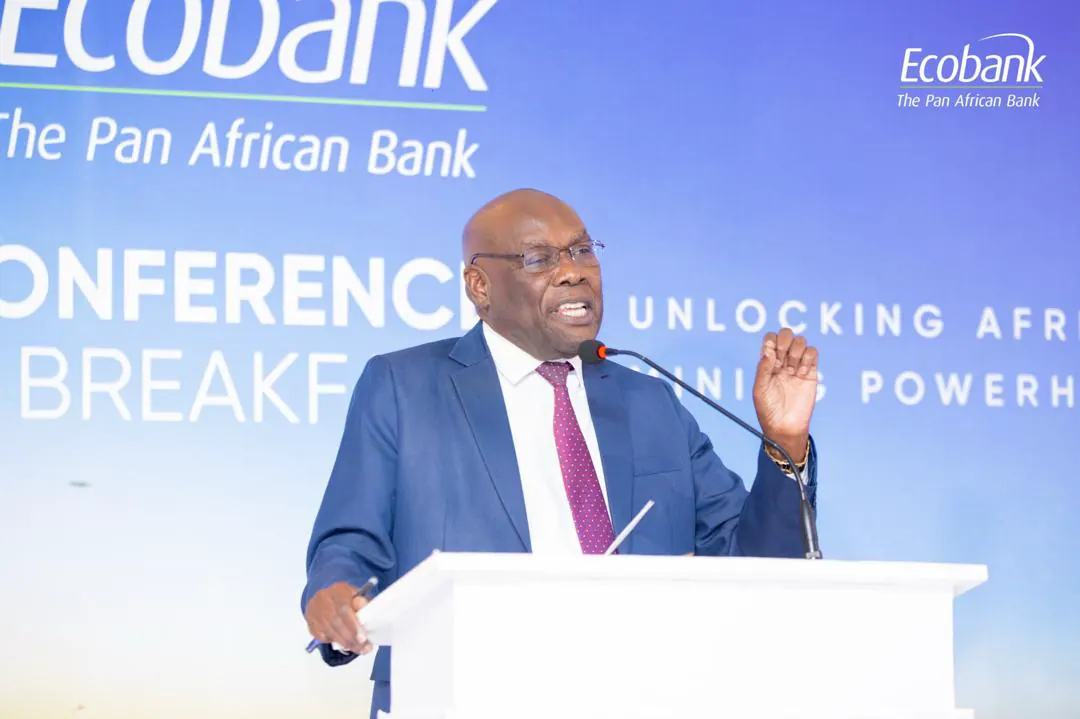
The Government of Uganda has reaffirmed its commitment to prioritizing mineral value addition, urging investors to process minerals within the country rather than exporting them in raw form. This call was made by Minister of State for Energy and Mineral Development, Sidronius Okaasai Opolot, at the 15th Annual Mineral Wealth Conference 2026. The conference, held at Speke Resort, Munyonyo, brought together government officials, investors, mining companies, financiers, and development partners.
Minister Opolot emphasized that the government has taken a deliberate decision to stop the exportation of unprocessed minerals, noting that value addition is crucial for Uganda to reap maximum benefits from its mineral wealth. To support local processing, the government has put in place the necessary policy and legal framework, including licensing incentives for investors who set up refineries and processing plants in Uganda. This move aims to create sustainable jobs for Ugandans, promote technology and skills transfer, and increase the country’s revenue base from the mining sector.
Ecobank Managing Director, Grace B. Muliisa, highlighted Uganda's plan to grow its economy from about $59 billion to $500 billion by 2040, with minerals playing a central role. She noted that minerals such as copper, cobalt, graphite, rare earths, iron ore, and gold are essential for the global energy transition. However, most of the value lies beyond mining, with the global battery value chain illustrating this point. Muliisa explained that mining raw minerals is worth about $11 billion, while refining them is worth about $44 billion.
Muliisa observed that much of Africa still focuses on digging and shipping minerals, with smelting and downstream processing happening elsewhere. She pointed out that rail corridors continue to carry ore to ports, not to factories, and that only about 16 percent of Africa’s trade is with itself. According to Muliisa, a powerhouse cannot be built that way, and Uganda does not need to own every stage of the value chain. However, every step beyond mining, into concentrating, refining, processing, and manufacturing, multiplies jobs, skills, and the tax base.
The East African market and the African Continental Free Trade Area provide opportunities for Uganda to expand its mineral processing industry. Muliisa added that with these markets close by, Uganda can increase its revenue and create sustainable jobs. This year's conference, themed "Beneath the Surface: Unlocking Africa’s Next Mining Powerhouse," aims to position Uganda as Africa’s next competitive mining hub.
The two-day conference has attracted a range of stakeholders, including government officials, investors, mining companies, financiers, and development partners. These stakeholders are deliberating on how Uganda can leverage its mineral wealth to drive economic growth and development. The conference provides a platform for discussions on policy, investment, and technology in the mining sector.
Key to Uganda's mining sector growth is the government's commitment to creating an enabling environment for investors. With the right policies and incentives in place, investors are likely to prioritize local mineral processing, thereby contributing to Uganda's economic growth and job creation. The government's efforts to promote value addition in the mining sector are expected to have a positive impact on the country's economy.
Key points
- The government aims to stop the exportation of unprocessed minerals to increase revenue and create sustainable jobs.
- Uganda plans to grow its economy from $59 billion to $500 billion by 2040, with minerals at the heart of that plan.
- The global battery value chain shows that most of the value lies beyond mining, with refining and processing worth much more than mining raw minerals.