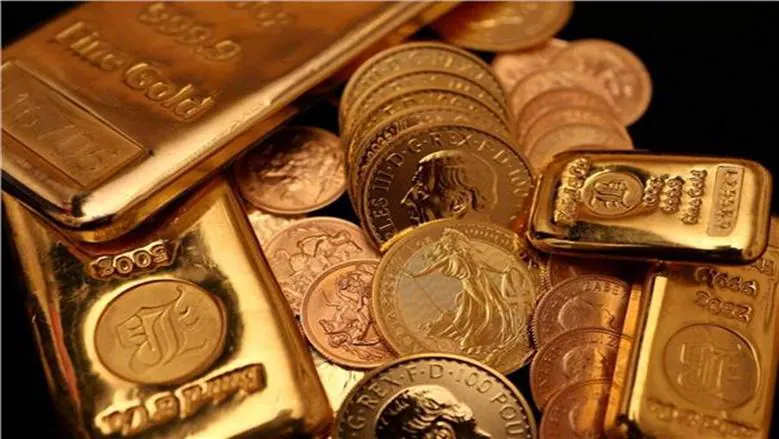
Global gold prices rose during Wednesday's trading, 30 September 2026, reaching approximately $4200 per ounce. This increase comes after a previous session gain, driven by a decline in oil prices. Despite this, high US Treasury bond yields continue to pressure gold. The price movement occurs as investors monitor US bond yield fluctuations and anticipate the Federal Reserve's monetary policy decisions.
The recent decline in oil prices has contributed to gold's increase. Oil prices dropped significantly due to improved energy supply from the Middle East and the release of emergency reserves in the United States. This development has alleviated some concerns about inflation caused by high energy costs. Meanwhile, gold and other precious metals face pressure from rising US Treasury bond yields, which have reached levels not seen since June.
The 30-year US Treasury bond yield rose to 5.62%, according to data from Trading Economics. This increase is attributed to concerns about persistent inflation and hawkish statements from Federal Reserve officials. John Williams, President of the Federal Reserve Bank of New York, stated that the Fed does not need to rush into making new decisions on interest rates following the September rate hike. He emphasized the importance of waiting for more economic data.
Williams highlighted that the conflict in the Middle East and the expansion of artificial intelligence remain significant drivers of high inflation. Despite Wednesday's price increase, gold is expected to record a 6% decline for September due to the pressure from high bond yields and changing US interest rate expectations. This potential monthly loss underscores the challenges faced by gold in the current economic environment.
The relationship between gold and US bond yields is significant, as higher yields can make non-yielding assets like gold less attractive to investors. This dynamic has influenced gold prices in recent times, contributing to their volatility. As investors continue to assess the economic outlook and monetary policy prospects, gold prices may experience further fluctuations.
The global economic landscape, including factors such as inflation, interest rates, and geopolitical tensions, plays a crucial role in determining gold prices. As such, market participants closely monitor developments in these areas to gauge potential impacts on gold and other financial assets. This attention to macroeconomic trends is essential for understanding price movements in the gold market.
In conclusion, gold prices have risen to $4200 per ounce, driven by a decline in oil prices and ongoing high US bond yields. As investors navigate the complexities of the current economic environment, gold prices are likely to remain sensitive to changes in interest rates, inflation expectations, and global economic trends.
Key points
- Gold prices reached $4200 per ounce on Wednesday, 30 September 2026.
- The decline in oil prices has contributed to the increase in gold prices.
- High US Treasury bond yields continue to pressure gold prices, contributing to their volatility.