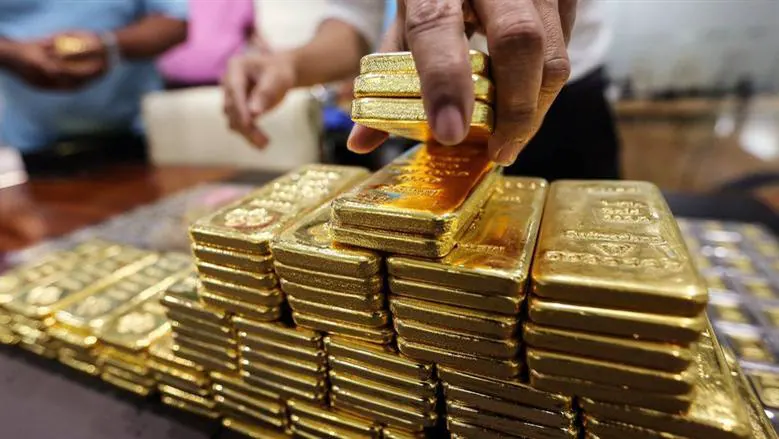
Global gold prices have experienced significant fluctuations in recent weeks, with the price of gold losing 167 dollars since the start of the year. According to Dr. Walid Farouk, director of the Gold Observatory for Economic Studies, the pressure on global gold prices began with the continued strength of the dollar following the Federal Reserve's decision to raise interest rates last week. This led to a decline in the price of gold to around 4350 dollars per ounce.
The rise of the dollar has put pressure on gold prices, particularly for buyers using other currencies. Additionally, higher bond yields have increased the cost of holding gold, which does not generate returns. On Tuesday, comments from Federal Reserve officials, including St. Louis Fed President Alberto Musalem and Chicago Fed President Austan Goolsbee, indicated the need for further monetary policy tightening to control inflation. Despite a decline in oil prices, which could alleviate inflation concerns, expectations of higher interest rates continued to impact the market.
US economic data released during the second half of the week kept the focus on interest rates and inflation. The number of new jobless claims decreased to 197,000 for the week ending September 19, indicating a continued strong labor market. However, durable goods orders remained relatively stable at 338.6 billion dollars in August. These readings did not provide a clear indication of the Fed's next move but did not dispel market anticipation of future interest rate decisions.
The performance of US Treasury bond yields also affected gold prices, limiting its ability to recover losses. Markets currently price in a 66% chance of a rate hike in October and a 93% chance by December. According to the World Gold Council's weekly report, gold prices rose during the previous week, despite a strong dollar and higher bond yields, driven by positive inflows into gold-backed exchange-traded funds.
The variation in performance between the two weeks suggests that strong investment demand can mitigate the impact of monetary policy tightening but did not prevent a decline in gold prices during the last week. Since the beginning of the year, gold prices have fallen by approximately 3.8%, from 4452 dollars to 4285 dollars per ounce.
Currently, the price of gold is around 33 dollars below its starting price for the year, at 4318 dollars, and significantly lower than its peak of 5626 dollars in January, by about 1341 dollars or 23.8%. Market participants are now looking ahead to the US personal income and spending data for August, scheduled for release on September 30, which includes the personal consumption expenditures price index closely monitored by the Fed.
If the data indicates persistent price pressures, it may reinforce expectations of a rate hike, maintaining pressure on gold through the dollar and yields. Conversely, a slowdown in inflation could provide an opportunity for gold prices to recover some of their losses. Meanwhile, oil price movements and developments in the Middle East will also influence gold prices and demand for safe-haven assets.
Key points
- Gold prices have lost 167 dollars since the start of the year.
- Expectations of higher interest rates have put pressure on gold prices.
- Upcoming US economic data may impact gold prices and interest rate expectations.