The locality of Ntiqa in South Darfur state is experiencing a significant surge in prices of staple food commodities, further straining the already challenging living conditions for its residents. As of September 26, 2026, the situation has become increasingly difficult for many families, who are struggling to afford basic necessities. The rising costs have not only affected essential goods like sugar, rice, and flour but also staple grains such as sorghum and corn.
According to Sadig Ibrahim, a resident of Ntiqa, the continuous price hikes have made it extremely challenging for many households to secure their daily food needs. He noted that citizens are now facing new prices almost daily, adding to their financial burden. The increase in prices of sorghum and corn, which are dietary staples in the region, has forced some residents to alter their eating habits and seek cheaper alternatives like pasta and rice.
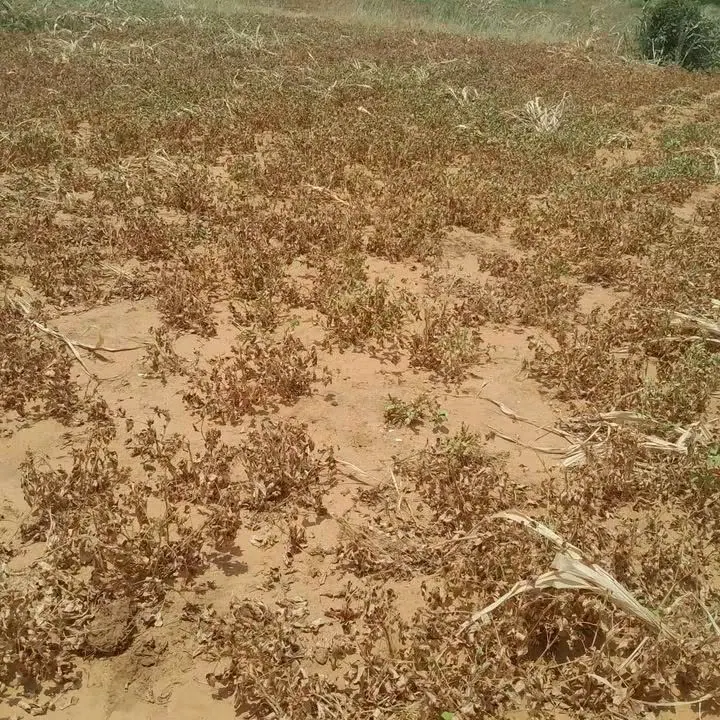
The situation in Ntiqa is further complicated by the adverse effects of drought on the local agricultural sector. The shortage of rainfall this season has resulted in the destruction of crops over vast areas, raising concerns about the impact on the current farming season and potential future price increases. This development may exacerbate the difficulties faced by low-income families in accessing food.
The economic and humanitarian situation in large parts of Darfur remains dire due to the ongoing conflict, disrupted markets, and supply chains, as well as the effects of climate conditions on agricultural production. These factors directly influence food prices and the purchasing power of the population. Residents and humanitarian organizations are calling for urgent interventions to alleviate the suffering.
Sadig Ibrahim appealed to humanitarian organizations operating in the region to intensify their efforts and provide food and humanitarian assistance to the people of Ntiqa, particularly those most affected by the price hikes and reduced purchasing power. The assistance is crucial in supporting vulnerable families and helping them meet their basic needs.
The crisis in Ntiqa and other parts of Darfur highlights the need for sustained support to address the root causes of food insecurity and economic hardship. The situation demands a comprehensive approach that includes emergency relief, agricultural support, and long-term development strategies to build resilience and improve living conditions.
As the situation continues to unfold, residents of Ntiqa and surrounding areas remain hopeful that their plight will attract the necessary attention and response from authorities and humanitarian agencies. The rising food prices and economic challenges in South Darfur underscore the importance of coordinated efforts to mitigate the impact of these crises on vulnerable populations.
Key points
- The surge in food prices in Ntiqa, South Darfur, is attributed to a combination of factors, including drought, conflict, and disrupted supply chains.
- The situation has led to a change in dietary habits among residents, with many opting for cheaper alternatives.
- Humanitarian organizations have been urged to provide urgent assistance to affected families in Ntiqa.