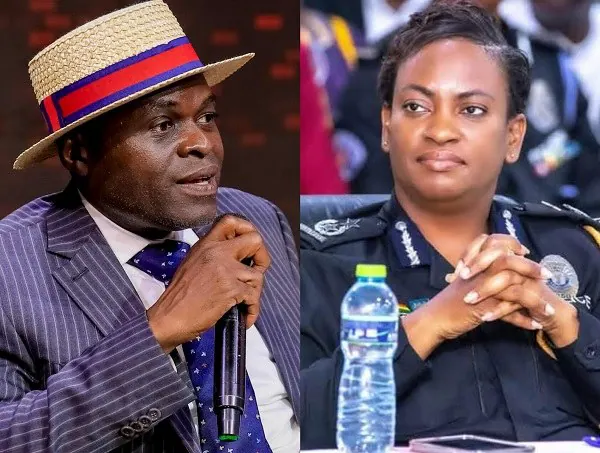
A Ghanaian lawyer, Martin Kpebu, has publicly questioned the police claim that comedian Salomey Awity Baffoe distributed videos linked to an alleged coup plot. On September 23, 2026, Kpebu appeared in court and described the police assertion as comical. He argued that the nature of social media platforms like TikTok, where Salomey shares her content, undermines the idea of deliberate distribution. According to Kpebu, when a user goes live on TikTok, all their followers can view the content simultaneously.
The case against Salomey, popularly known online for her Ghana Jollof skits, has been ongoing, with her bail application being delayed until September 24, 2026. The Accra High Court adjourned the matter after prosecutors asked for more time to respond to her defence team's submissions. Kpebu, who is not part of Salomey's defence team, expressed support for her bail application. He believes that based on publicly known information, she should not have been remanded for as long as she has been.
Kpebu raised concerns about the timing and circumstances of Salomey's arrest, suggesting that her detention may be connected to her previous comic content targeting senior state officials. Her online skits have previously targeted the Inspector-General of Police and the CID boss, which may have contributed to public scepticism about the reasons behind her arrest. Kpebu emphasized that Ghana's justice system is capable of handling the matter without prolonged detention.
The case has drawn significant attention, including from politicians. Former Vice President Mahamudu Bawumia and the Minority Women's Caucus in Parliament have called for Salomey's release, describing her continued detention as excessive. The controversy surrounding the case has raised questions about how online content can be linked to serious criminal allegations and how long a suspect can be held on remand.
The involvement of the Economic and Organised Crime Office (EOCO) in the case has added to the complexity of the situation. EOCO is a Ghanaian state agency mandated to investigate and prosecute serious financial and organised crimes. The agency's role in this case relates to the broader coup-plot investigation. Salomey's detention has sparked concerns about the limits of free speech and the use of online content as evidence in serious cases.
The case has also highlighted the challenges of using social media content as evidence in court. Kpebu's comments on the police claim have sparked a wider debate about the nature of online content and its potential implications for users. As the case continues, it is likely to have significant implications for the Ghanaian justice system and the way it handles online content.
The next hearing on Salomey's bail application is scheduled for September 24, 2026. Prosecutors have requested additional time to respond to the defence's submissions, but no further details have been given on what specific evidence they intend to present. The outcome of the case will be closely watched by many in Ghana and beyond.
Key points
- Lawyer Martin Kpebu questions the police claim that comedian Salomey distributed coup plot videos.
- The case against Salomey has drawn significant attention from politicians and the public.
- The outcome of the case may have implications for the use of online content as evidence in serious cases.