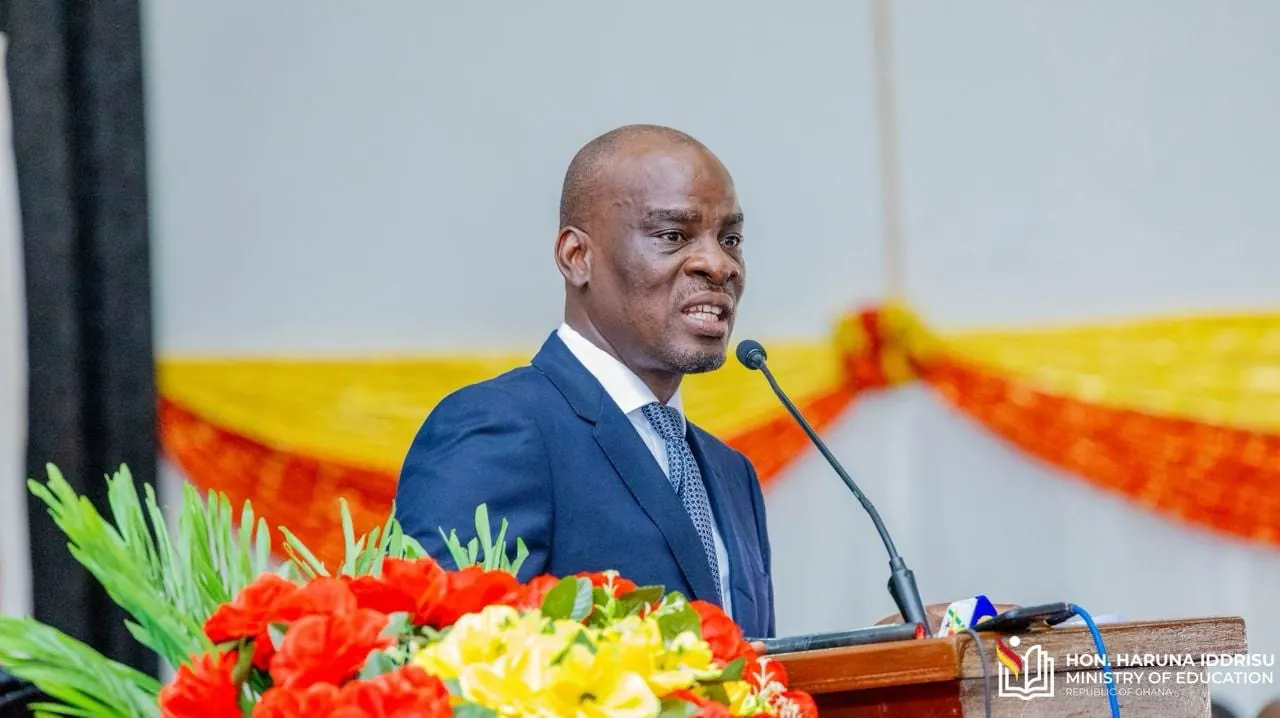
The Ghanaian government has announced plans to develop a policy framework for Ghanaian Sign Language (GSL) in education, a move aimed at addressing a longstanding gap in deaf education policy. Education Minister Haruna Iddrisu made the announcement at a dialogue themed "Strengthening Quality Multilingual Inclusive Education for Deaf Learners in Ghana," held in Accra. The policy will formally recognise and institutionalise GSL, tackling a pressing issue in deaf education.
According to Minister Iddrisu, GSL is not just a communication tool but a full language through which deaf Ghanaians express themselves, build their identity, and participate in society. The planned framework will align with Ghana's constitutional, legal, and international obligations, and will be developed using an evidence-based, inclusive, and coordinated approach. This approach will ensure that the policy is comprehensive and effective in addressing the needs of deaf learners.
The policy is expected to cover eight core areas, including standardising GSL and documenting appropriate vocabulary, developing teaching and learning materials suited to deaf learners, and training and certifying sign language teachers and interpreters. The framework will also address the inclusion of sign language skills within teacher education programmes, enabling schools to recruit and deploy staff properly trained to support deaf students.
The announcement is part of Ghana's broader efforts at inclusive education, with the country's linguistic diversity making a multilingual approach especially relevant. Minister Iddrisu emphasised that multilingual education should place GSL alongside the written and spoken languages deaf learners encounter in school and in the wider community. This approach will enable deaf learners to build strong competency in GSL and progressively gain literacy in English and other languages.
The policy aims to ensure that deaf learners can actively participate in lessons and learn effectively. Minister Iddrisu stressed that success should not be judged simply by enrolment numbers, but by whether learners with disabilities are actually learning and developing skills. The policy will also address issues such as accessible assessment methods and monitoring learning outcomes over time.
A formal GSL policy could significantly impact Ghana's deaf community, determining whether children have access to trained interpreters, appropriate learning materials, and assessments they can engage with. The policy's development will involve consultation with stakeholders, although the timeline for finalisation and rollout, as well as funding, remain unclear. Existing teachers without sign language training will also need support during the transition.
The development of a GSL policy in education has been welcomed by advocates for inclusive education, who see it as a crucial step towards addressing the needs of deaf learners in Ghana. While details of the policy's implementation are still to be announced, the announcement marks a significant commitment to improving education for deaf learners in Ghana.
Key points
- The Ghanaian government plans to develop a policy framework for Ghanaian Sign Language in education to address a longstanding gap in deaf education policy.
- The policy will cover eight core areas, including standardising GSL and training sign language teachers and interpreters.
- The announcement is part of Ghana's broader efforts at inclusive education, with a focus on multilingual approaches to support deaf learners.