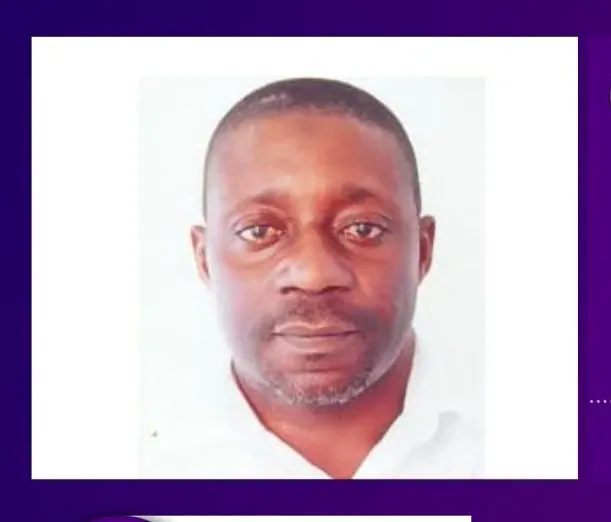
Public health engineering expert and Chief Executive Officer of Waste Care Associates, Lukman Salifu, has stated that Ghana still requires landfill sites, even as the country adopts modern technologies to improve waste management. He emphasized that the choice of waste treatment facilities should reflect local conditions, including the availability of land and the distances involved in transporting refuse.
Mr Salifu's comments come in response to Local Government Minister Mahama Ayarigah's call for metropolitan, municipal and district assemblies to allocate land for waste transfer stations and landfill development. The minister's proposal is aimed at improving waste management in the country. Mr Salifu noted that landfills could remain an option where suitable land is available, and transportation distances make their use feasible.
However, for Accra, Mr Salifu advocated greater attention to energy generation from waste. He suggested that the city should begin to look at waste-to-energy as a viable option. This approach would not only help manage waste but also generate energy. According to Mr Salifu, nearly 60 per cent of solid waste is organic, and separating waste at source could support different treatment processes and make it easier to recover energy.
Mr Salifu recommended a two-bin system for household waste separation into organic and inorganic streams. This system would enable organic waste to undergo biomethanation to produce biogas, while inorganic waste could be directed towards incineration for energy generation. He explained that this approach would make waste management more efficient and effective.
On concerns about the availability of land for waste transfer facilities, Mr Salifu urged assemblies to audit sites originally designated for sanitation purposes in community layouts. This assessment would establish whether the sites remained available, had been encroached upon, or could be legally recovered. Where recovery was impossible, assemblies would need to consider alternatives for waste management.
Mr Salifu distinguished between communal container transfer stations and larger facilities designed for onward transportation of waste. He noted that communal sites could allow some sorting, while larger transfer stations enabled smaller collection vehicles to discharge waste into bigger vehicles for transportation to landfill sites. He described the minister's proposal as a return to an established community planning approach that could provide a foundation for improving waste management.
Mr Salifu expressed optimism that the proposed approach could improve waste management in Ghana. He emphasized that it was essential to go back and build from the ground to address the challenges in the sector. The Local Government Minister's proposal has been welcomed as a step in the right direction towards addressing the country's waste management challenges.
Key points
- Ghana needs both landfill sites and modern waste management technologies like waste-to-energy.
- Accra should prioritise waste-to-energy as a viable option for managing waste.
- A two-bin system for household waste separation could support different treatment processes and make it easier to recover energy.