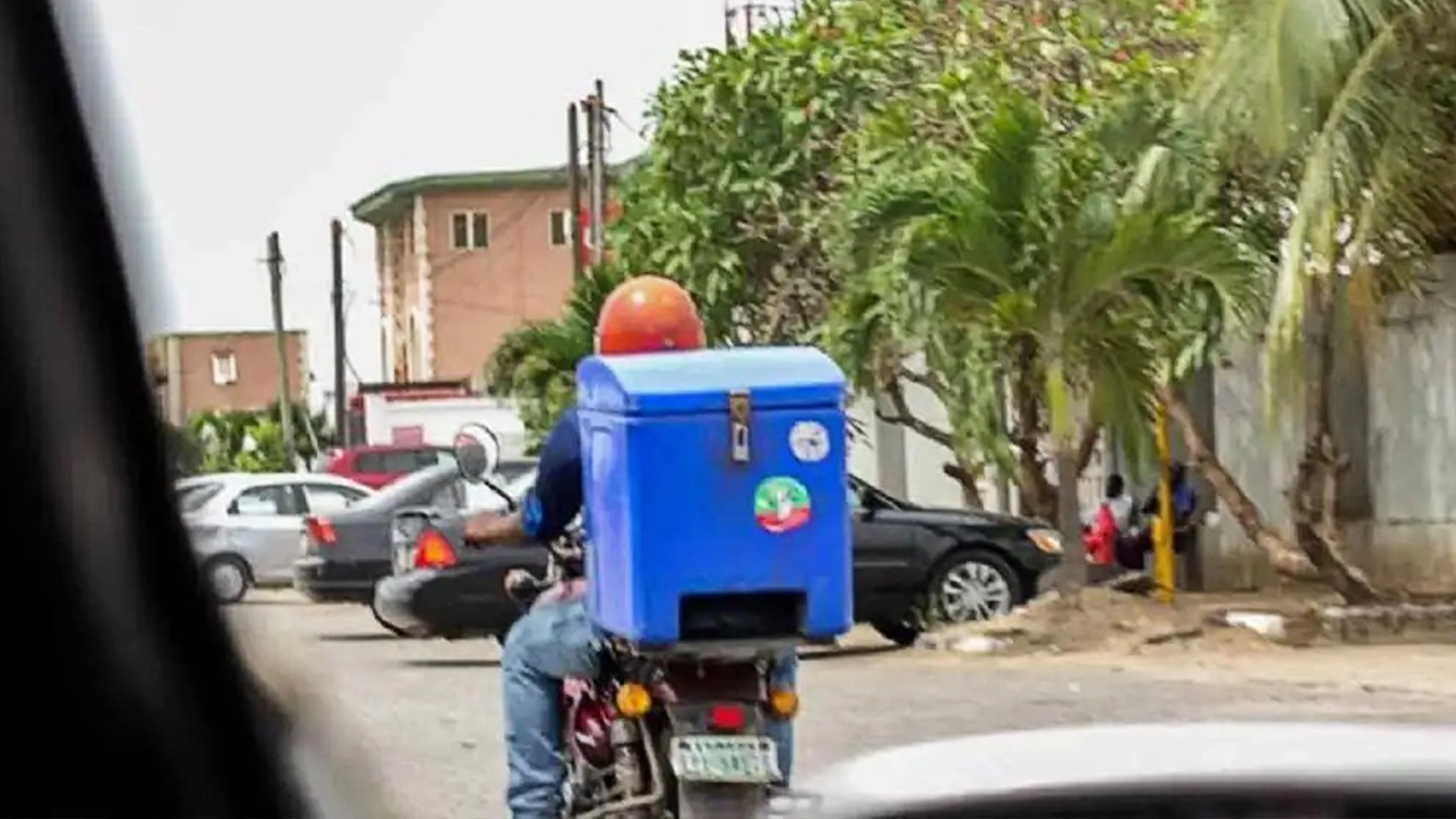
In Nigeria, dispatch riders play a vital role in the logistics and transportation ecosystem, navigating the country's notorious traffic to deliver goods and services. However, their jobs come with significant risks, from reckless driving to extortion and violence. Chukwudi Dennis, a 41-year-old dispatch rider for Ocean Logistics, has been doing the job for over 10 years and says it's a living hell, especially during the rainy season. With a 13-year-old motorcycle, Dennis faces numerous challenges on the road, including treacherous terrain and endless calls from customers.
Kamaru Oluwaseun, another dispatch rider, was recently held up by local government touts at Ikotun roundabout, who demanded money from him despite providing his rider's card and other necessary permits. He was eventually let go after reluctantly parting with 3,000 naira. Oluwaseun says his life as a dispatch rider is tough but fairly good, allowing him to support his wife and two children. He values the independence that comes with being his own boss, but acknowledges that the job is exhausting and requires a monthly contribution to maintain his livelihood.
Dispatch riders in Nigeria are not afraid to take risks, often speeding through traffic and maneuvering between cars to deliver goods quickly. Michael Eromosele, a 38-year-old dispatch rider, says that truck and car drivers make life difficult for them and don't like seeing them on the roads. However, Eromosele believes that dispatch riders shoulder the burden of many, delivering prescribed drugs to patients and goods to families in need. He acknowledges that their rough-riding style poses a lethal hazard not only for themselves but also for other road users.
Traffic wardens have described dispatch riders as "untamed rats of the highway" due to their reckless behavior on the roads. Sergeant Sunday Akinwunmi says that dispatch riders disrupt their jobs as traffic wardens, emerging from nowhere and beating traffic lights at every opportunity. Despite the risks, dispatch riders like Dennis and Oluwaseun continue to navigate the city's notorious traffic, often putting their lives on the line to deliver goods.
The risks faced by dispatch riders in Nigeria are highlighted by recent incidents, including the death of a dispatch rider who rammed into a commercial bus on the Third Mainland Bridge in Lagos State. Another dispatch rider was crushed by a moving train along the PWD Railway Level in Ikeja, Lagos State, after trying to quickly maneuver across the railway track. These incidents demonstrate the daily hazards faced by dispatch riders in Nigeria.
Dispatch riders also face violence and intimidation from other road users, including transport workers. Shamsideen Adio, a top official of the National Union of Road Transport Workers (NURTW), was involved in an incident where he beat a dispatch rider to a pulp using a helmet and fists. The incident highlights the need for greater protection and support for dispatch riders, who play a vital role in Nigeria's logistics and transportation ecosystem.
Despite the challenges and risks, dispatch riders like Dennis, Oluwaseun, and Eromosele continue to work in the industry, driven by the need to support their families and deliver essential goods to those in need. Their resilience and determination are a testament to the complexities of life as a dispatch rider in Nigeria, where danger and uncertainty are a daily reality.
Key points
- Dispatch riders in Nigeria face significant risks, including reckless driving, extortion, and violence, while navigating the country's notorious traffic to deliver goods and services.
- The job requires resilience and determination, as dispatch riders often put their lives on the line to deliver essential goods to those in need.
- Recent incidents have highlighted the daily hazards faced by dispatch riders in Nigeria, including deaths and injuries resulting from accidents and violence.