Ghana has experienced a substantial increase in residential structures over the past 11 years, with a 2.47 million rise in the number of residential structures between 2010 and 2021. This represents a 72.8% increase, according to data from the Ghana Statistical Service (GSS). The number of residential structures grew from 3.39 million in 2010 to 5.86 million in 2021, indicating significant growth in the country's housing sector.
Despite the increase in residential structures, the 2021 Population and Housing Census revealed that 12.7% of dwelling units across the country were vacant. The vacancy rates were higher in rural areas than in urban centres. The census also found that separate houses accounted for the largest share of dwelling units at 63.3%, followed by compound houses, which represented 20.9%. This suggests that there is still a considerable need for housing in the country.
The census also examined the characteristics of dwelling units, including the materials used for construction. Nearly two-thirds (64.1%) of dwelling units had cement block or concrete outer walls, reflecting the widespread use of these materials in residential construction. The report further analyzed housing conditions, including ownership arrangements, room occupancy, sources of lighting, cooking fuels, and the availability of cooking and bathing facilities.
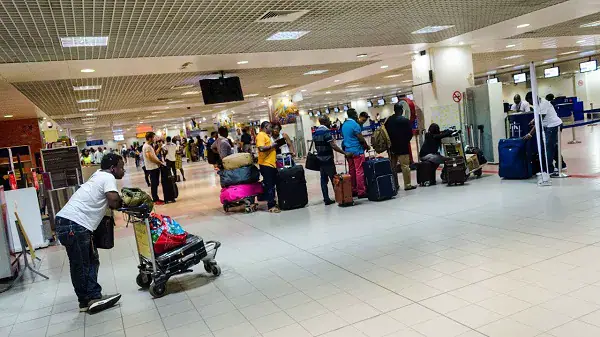
In addition to housing data, the census provided insights into migration patterns within Ghana and the number of citizens living abroad. The Government Statistician, Dr Alhassan Iddrisu, announced that the number of Ghanaians registered as living abroad rose by 42,792, from 250,624 in 2010 to 293,416 in 2021, a 17.1% increase over 11 years. This represents a significant increase in the number of Ghanaians living abroad.
According to Dr Iddrisu, Europe hosts the largest share of Ghanaians abroad, followed by the Americas and ECOWAS countries. He disclosed that about 37.6% of Ghanaians abroad live in Europe, 23.7% in the Americas, and 23.3% in ECOWAS countries. The data also showed differences in net migration across the regions, based on people's region of birth.
The census revealed that Greater Accra recorded the highest net migration gain, with approximately 1.1 million more people moving into the region than moving out. Ashanti followed with a net gain of about 200,000, while the Western Region recorded approximately 111,000. On the other hand, the Volta Region recorded the highest net migration loss, at approximately 435,000.
The census also provided data on education, revealing that 30.2% of persons aged six years and older were unable to read or write in any language, while 69.8% were literate in at least one language. Illiteracy was more prevalent among females than males, with the rate among women standing at 34.4%, compared to 25.9% among men. Regionally, the Greater Accra Region recorded the highest literacy rate at 87.9%, while the Savannah Region had the lowest at 32.8%.
Key points
- Ghana recorded a 2.47 million increase in residential structures between 2010 and 2021.
- The number of Ghanaians registered as living abroad rose by 42,792 between 2010 and 2021.
- 30.2% of persons aged six years and older in Ghana were unable to read or write in any language.