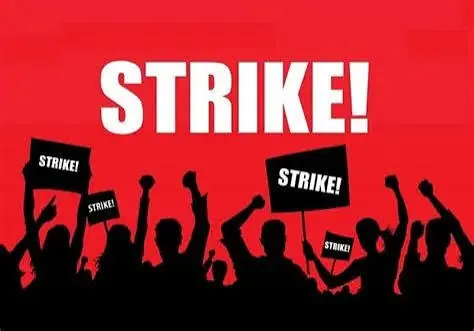
The Ghana National Association of Teachers (GNAT), National Association of Graduate Teachers (NAGRAT), and Pre-Tertiary Teachers Association of Ghana (PRETAG) commenced their industrial action on Friday, September 25, 2026. This move follows the government's failure to address their concerns by a deadline set by the unions. The unions had given the government until midday on Thursday, September 24, to resolve issues related to teachers' salaries, promotion arrears, and allowances.
The decision to strike was made after months of delays and unfulfilled commitments by the relevant authorities, including the Fair Wages and Salaries Commission (FWSC). In a joint statement, the unions expressed their disappointment with the government's inaction. They cited three main issues behind the strike: the delay in concluding negotiations for a new Collective Agreement, the failure to place newly promoted teachers on their appropriate salary scales, and the non-implementation of the Deprived Area Allowance.
The existing Collective Agreement has expired, and negotiations for its replacement, expected to conclude by June 2026, remain unresolved. Despite several engagements with the FWSC, the unions have not seen significant progress. They are also demanding the automatic placement of teachers who passed promotion examinations in December 2025 and February 2026 on their respective salary scales. The unions are seeking payment of the resulting arrears dating back to January 2026.
Another key issue driving the strike is the Deprived Area Allowance. According to the 2024 Collective Agreement, the Ministry of Education and the Ghana Education Service (GES) are required to review the Deprived Area Report before the unions and the FWSC negotiate the applicable allowance. However, the unions claim that this process has yet to be completed. They also raised concerns over the failure to implement a directive relating to incentives for teachers serving in deprived and hard-to-reach areas.
The unions argue that the unresolved matters have contributed to "widespread disaffection, anger, and disillusionment" among their members. They emphasize that their decision to strike is a result of the government's inaction and the need to address the pressing concerns of teachers. The strike is expected to have significant implications for the education sector in Ghana.
The government has not made an official statement on the strike, but the unions remain committed to their demands. The strike will continue until the government addresses their concerns. The unions have urged their members to remain calm and united in their pursuit of a resolution. The situation remains tense, with no clear end in sight.
The strike by GNAT, NAGRAT, and PRETAG has significant implications for the education system in Ghana. With thousands of teachers affected, the strike is likely to disrupt the academic calendar. The unions have reiterated their commitment to finding a resolution, but the ball remains in the government's court.
Key points
- The strike is over unpaid promotion arrears and unresolved demands related to teachers' salaries and allowances.
- The unions had given the government a deadline of midday on Thursday, September 24, to address their concerns.
- The strike is expected to have significant implications for the education sector in Ghana.