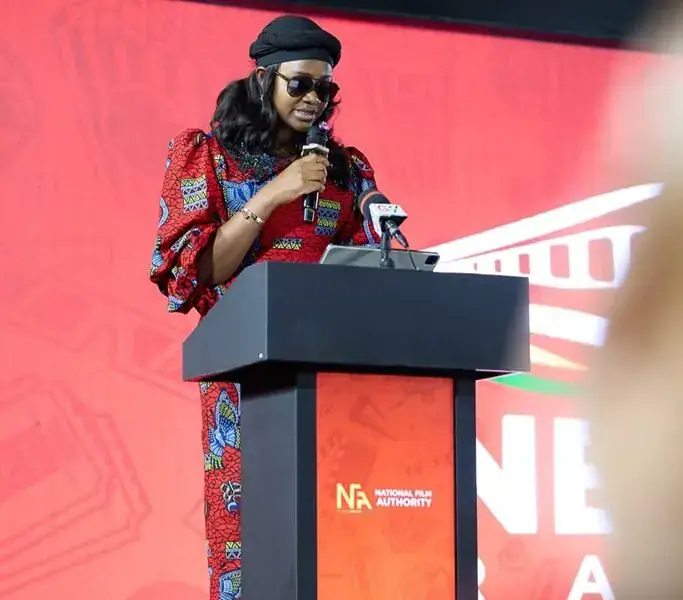
The National Film Authority (NFA) of Ghana has launched the Cinema Train Initiative, aimed at improving access to cinema facilities, strengthening film exhibition, and rebuilding the culture of cinema-going in the country. This initiative is expected to provide a common platform for film producers, distributors, exhibitors, and audiences to connect and create a sustainable market for Ghanaian films. By doing so, the NFA hopes to address the major challenge confronting the country's film industry, which is limited access to cinema facilities and exhibition opportunities.
According to the Executive Secretary of the NFA, Kafui Danku, the limited platforms available for exhibition make it difficult for filmmakers to reach audiences, despite investing considerable time and resources in producing films. She emphasized that it is essential to create pathways for people to watch films, adding that "we cannot build a sustainable film industry if we produce films without creating pathways for people to watch them." This statement highlights the need for a robust film exhibition system to support the growth of the industry.
The Cinema Train Initiative goes beyond just screening films; it aims to build an ecosystem where producers can showcase their works, distributors can connect content to markets, and exhibitors can attract audiences. The NFA has urged Ghanaians to support the initiative by purchasing tickets, watching local films, and encouraging others to patronize Ghanaian cinema. By doing so, the industry can generate revenue and create a sustainable market for Ghanaian films.
The Executive Secretary of the NFA has also called on corporate organizations and potential sponsors to invest in the initiative, stating that their support would help expand cinema access, strengthen the creative economy, and connect brands with audiences across the country. The success of the initiative requires a collective commitment from all stakeholders, and the NFA is prepared to facilitate the partnerships necessary to advance the vision.
The Chairman of the NFA board, Ivan Quashigah, has demonstrated the Authority's commitment to the initiative by announcing plans to purchase tickets through the platform to support films currently available for screening. He added that the platform seeks to bring key groups in the film industry onto one track: producers, distributors, exhibitors, and audiences. This move is expected to encourage other stakeholders to support the initiative.
The launch of the Cinema Train Initiative is a significant step towards promoting Ghanaian films and rebuilding the culture of cinema-going in the country. The initiative has the potential to create new opportunities for film producers, distributors, and exhibitors, while also providing audiences with a wider range of local films to watch. By supporting the initiative, Ghanaians can help build a sustainable film industry that contributes to the country's economic growth and cultural development.
The NFA's efforts to promote Ghanaian films and cinema-going culture are crucial for the growth of the country's film industry. The Cinema Train Initiative is an innovative approach to addressing the challenges facing the industry, and its success will depend on the support of stakeholders, including corporate organizations, sponsors, and the general public. With the right support, the initiative can help Ghana's film industry reach new heights and become a significant contributor to the country's economy.
Key points
- The National Film Authority's Cinema Train Initiative aims to improve access to cinema facilities and promote Ghanaian films.
- The initiative seeks to create a sustainable market for Ghanaian films by providing a common platform for producers, distributors, exhibitors, and audiences to connect.
- The success of the initiative requires a collective commitment from all stakeholders, including corporate organizations, sponsors, and the general public.
Reporting sources
- NFA rolls out Cinema Train · Weekly Spectator