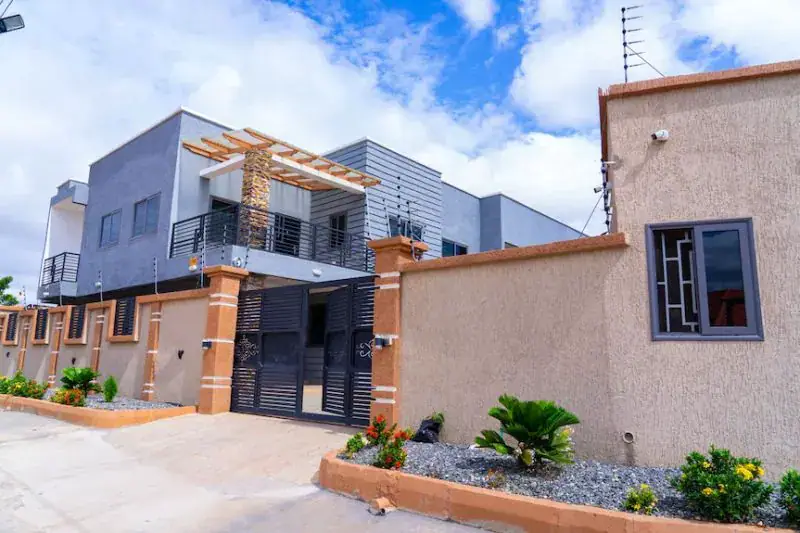
Ghana's estimated housing deficit has declined from 2.8 million units in 2010 to 1.8 million in 2021, according to the Ghana Statistical Service (GSS). The improvement in the housing shortfall has not eliminated the challenges associated with the availability and distribution of homes and basic services, particularly as the country's urban population continues to grow. The figures are contained in the Ghana in Numbers, 2025, a flagship publication released by the Service on November 2.
The 2021 Population and Housing Census counted about 10 million dwelling units, while the estimated housing deficit stood at approximately 1.8 million units. The GSS, however, cautioned that the deficit was an estimate based on the number of homes required and available. It did not, on its own, measure housing quality, affordability, or the number of vacant homes. The report brings together population, housing, and basic-service indicators to guide development planning.
Despite improvements in access to essential services over the years, the report identifies significant gaps in household access to electricity and improved sanitation. The proportion of households with electricity increased from 43.8 per cent in 2000 to 86.3 per cent in 2021. Access to improved drinking water also rose from 60.7 per cent to 92 per cent over the same period, while improved sanitation increased from 44.8 per cent in 2010 to 69 per cent in 2022.
Nevertheless, about one in seven households still has no electricity, while almost one in three lacks an improved toilet. The report further indicates that 30.8 per cent of Ghana's urban population lives in slums or informal settlements, underscoring the uneven conditions in which many urban residents live. The GSS report highlights the need for targeted interventions to address these service gaps.
The GSS also reported that the average household size had fallen to 3.6 people, the lowest recorded level. It explained that the decline in household size could increase the number of homes required, even when population growth slows, as more households would need separate accommodation. The trend has implications for housing demand and urban planning, particularly as the country's urban population expands.
About 19.8 million people, representing 58.7 per cent of Ghana's population, lived in urban areas in 2025, according to the report. Ghana became more urban than rural in 2010, when 12.55 million people lived in urban areas, compared with 12.11 million in rural communities. By 2021, the urban population had risen to 17.47 million, against 13.36 million in rural areas.
Government Statistician, Dr Alhassan Iddrisu, said the statistics should guide decisions on the provision of housing and essential services at the community level. He stressed the importance of using local evidence to identify communities with the greatest needs. The Service said district-level figures could help policymakers identify areas where gaps in housing, water, sanitation, electricity, and other services were most pronounced.
Key points
- The housing deficit in Ghana has decreased to 1.8 million units, but access to basic services remains a challenge.
- The urban population in Ghana has grown to 19.8 million people, with 30.8 per cent living in slums or informal settlements.
- The GSS report highlights the need for targeted interventions to address service gaps in housing, electricity, sanitation, and decent living conditions.