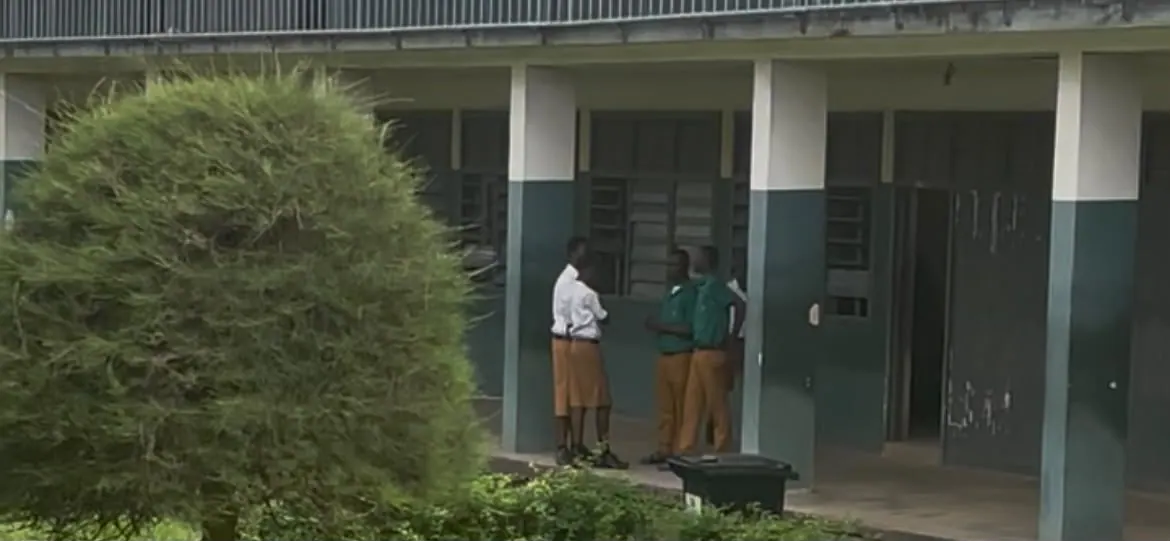
A nationwide strike by Ghana's teachers' unions, including GNAT, NAGRAT, and PRETAG, has entered its second week, causing concern among final-year senior high school students. The strike, which began on September 25, 2026, is over issues including the placement of promoted teachers on new salary levels and negotiations on conditions of service. As a result, many students in Kumasi report to school only to sit for hours without any lessons.
The situation is particularly worrying for final-year students who have limited time left to prepare for their WASSCE exams. With little or no academic instruction, students are worried about the growing gap in their education. "We come to school, and there is nothing to do," said a Form Three student at Prempeh College. "We don't have any work to do. No teachers have been coming to class, and we have little time to cover the syllabus before WASSCE starts."
To cope with the situation, some students have resorted to attending extra classes, which provide them with structured teaching. However, this option is not accessible to everyone, particularly those from low-income families. This has raised concerns about the unequal impact of the strike on learners from different economic backgrounds. As the strike continues, students are worried about the cumulative effect of lost instructional time.
School authorities are trying to keep students occupied and safe while normal academic activities remain suspended. Some schools have organized activities under Freshers Week, which provide newly admitted students with opportunities to participate in programmes designed to keep them engaged during this period. Although such activities cannot replace classroom instruction, they offer students structured engagement and a chance to develop interests outside academics.
Despite the positives of these activities, students acknowledge that they are not a substitute for regular teaching. For students in Form Three, entertainment and extracurricular activities cannot address the academic pressure created by weeks without regular lessons. Their concern is not simply about being bored but about the cumulative effect of lost instructional time.
The government has repeatedly appealed to the unions to suspend the strike, and discussions are ongoing to get teachers back in the classrooms as soon as possible. For students, the hope is that the negotiations end soon and teachers return to their classrooms. Until then, school authorities will continue trying to keep students occupied, while learners — especially those in their final year — continue to count the cost of days without teaching.
The strike has affected over 473,658 students preparing for the 2026 WASSCE exams. The Ghana Education Service and other stakeholders are working to find a resolution to the impasse. Key stakeholders, including Eduwatch, have called for an urgent resolution to the teachers' strike and reforms to prevent such disruptions in the future.
Key points
- The nationwide teachers' strike in Ghana has caused concern among final-year SHS students, who are worried about lost learning time and its impact on their WASSCE preparation.
- The strike, which began on September 25, 2026, is over issues including the placement of promoted teachers on new salary levels and negotiations on conditions of service.
- Over 473,658 students are preparing for the 2026 WASSCE exams, which may be affected by the ongoing strike.