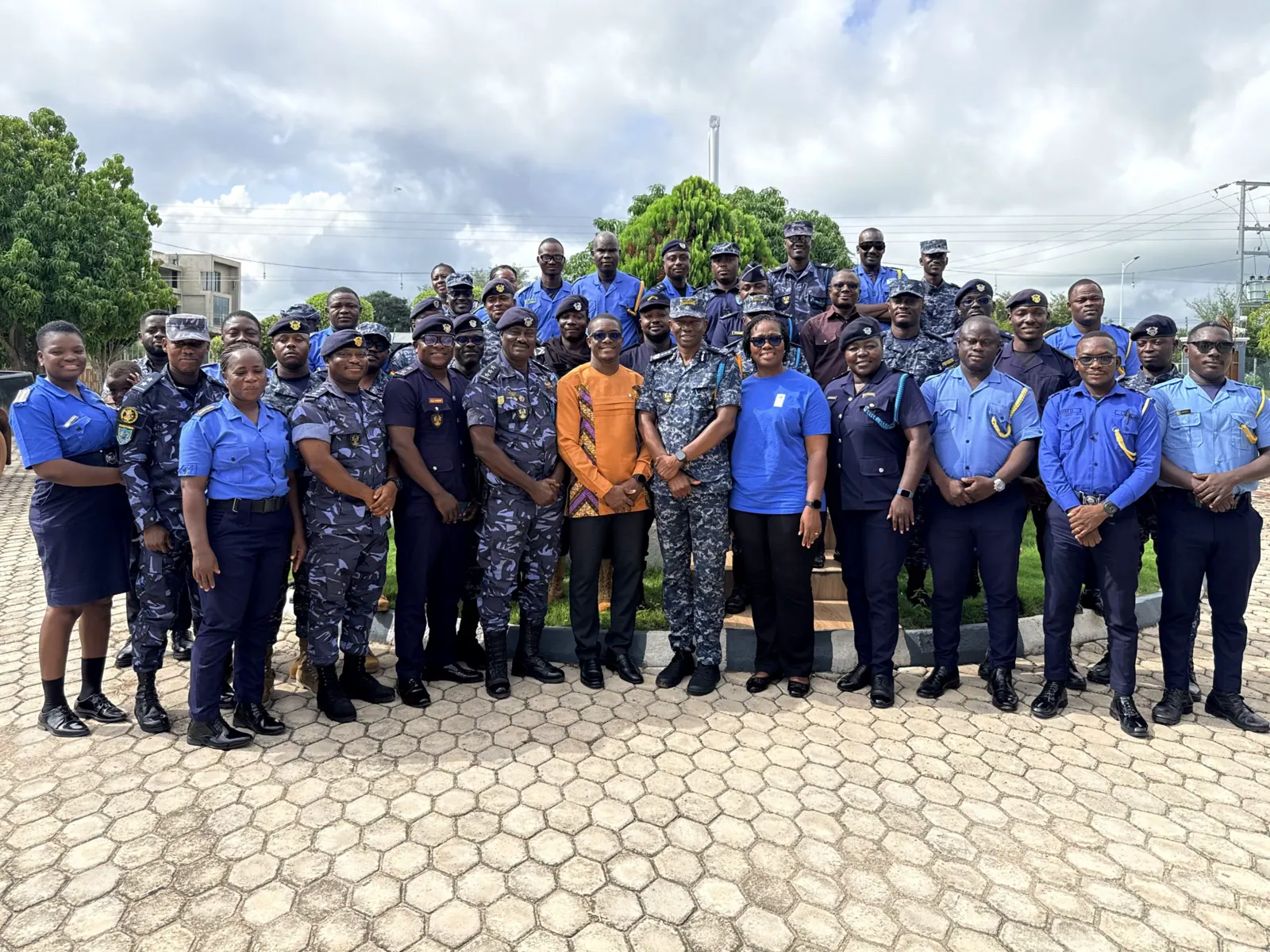
The Ghana Energy Commission has initiated a training program for Customs officers in the Upper East Region, focusing on energy efficiency regulations. This nationwide engagement, sponsored by the United Nations Development Programme (UNDP) and the Clean Climate and Air Coalition (CCAC), aims to equip Customs officers with the knowledge and skills to identify appliances meeting Ghana's minimum energy performance standards (MEPS). The training, held in Bolgatanga, targets officers operating at seaports, land ports, and border entry points.
Manager of Energy Efficiency Regulations at the Energy Commission, Hubert Nsoh Zan, emphasized the critical role of Customs officers in enforcing energy efficiency standards. He noted that regulations would have limited impact without adequately equipped enforcement agencies. Zan stressed that laws can be passed, but without a clear enforcement strategy, they risk becoming ineffective documents. The training program seeks to enhance officers' understanding of regulatory requirements and their ability to identify compliant and non-compliant appliances.
The Energy Commission has expanded the scope of appliances covered under energy efficiency regulations from three to 19. This expansion aims to reduce electricity demand and improve the reliability of electricity supply. Zan explained that the standards apply to all appliances entering the country, including new and store-rejected products, ensuring they meet required performance standards before entering the Ghanaian market. He linked energy efficiency to consumer safety and environmental protection, citing the risks associated with poor-quality electrical appliances.
The training program also incorporates gender considerations in the enforcement and operations of Customs officers. Joyce Caitlyn Ocansey, Programme Coordinator for the Drive Electric Programme at the Energy Commission and Gender Specialist for the CCAC training, emphasized the importance of accounting for the different needs and roles of men and women involved in the importation and distribution of appliances. She encouraged officers to collect sex-disaggregated data and ensure adequate representation of women and men in training, inspection, deployment, and enforcement activities.
Assistant Revenue Officer Adugbire Daniel Akolgo of the Missiga-Bolgatanga Collection Station reported that the training improved his understanding of energy-efficient appliances and the role of Customs officers in preventing inefficient products from entering the country. He plans to share the acquired knowledge with other officers who did not participate in the program. Another Customs officer, Dramani Vug of the Kulungugu Station, noted that the training clarified how officers could identify appliances requiring detention or seizure and verify claims about their energy efficiency.
The Energy Commission considers continuous capacity building essential due to the frequent transfer of Customs officers. This ensures that officers understand energy efficiency requirements regardless of their duty stations. The nationwide training program aims to enhance the capacity of Customs officers to enforce energy efficiency standards effectively. By doing so, the Commission seeks to prevent inefficient electrical appliances from entering the Ghanaian market and promote a more sustainable energy future.
The training program reflects a collaborative effort between the Energy Commission, UNDP, and CCAC to promote energy efficiency in Ghana. By equipping Customs officers with the necessary knowledge and skills, the program aims to contribute to reduced electricity demand, improved energy supply reliability, and enhanced consumer safety and environmental protection. The initiative underscores the importance of effective enforcement in ensuring the successful implementation of energy efficiency regulations.
Key points
- The Ghana Energy Commission has trained Customs officers to enforce energy efficiency standards, preventing inefficient appliances from entering the market.
- The training program covers 19 appliances and aims to reduce electricity demand and improve energy supply reliability.
- The initiative incorporates gender considerations to ensure effective enforcement and stakeholder engagement.