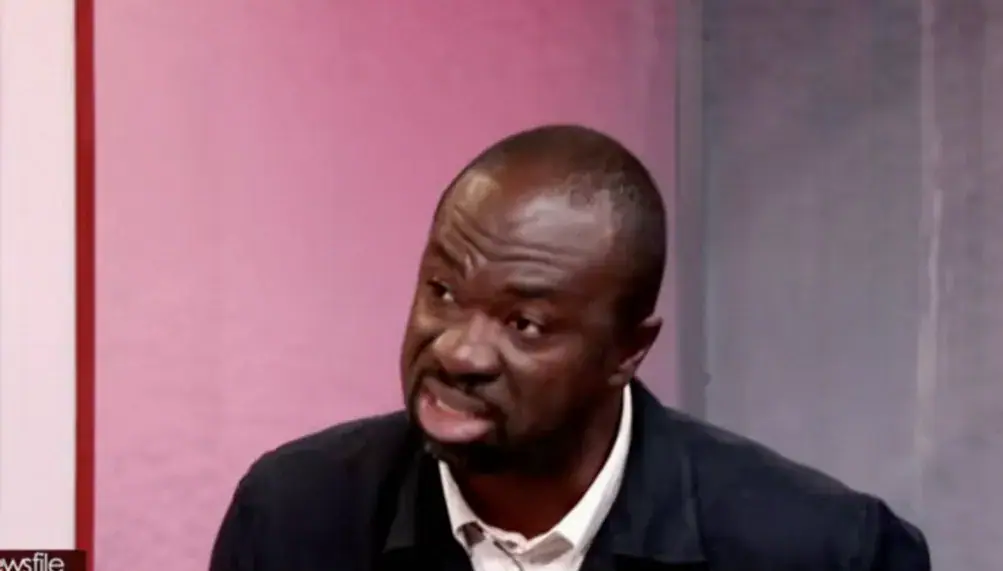
Ghana's Member of Parliament for Manhyia South, Nana Agyei Baffour Awuah, has called on the Attorney-General to introduce clear legislative guidelines to regulate the exercise of bail powers. He argues that the current discretionary power without clear rules has caused unnecessary hardship for individuals, business people, and others caught up in the criminal justice system. Awuah pointed to Article 29 of the Constitution, emphasizing the need for specific guidelines to prevent abuse of power.
Awuah's comments follow a recent directive by Attorney-General Dr. Dominic Ayine, which set limits on detention and outlined safeguards for arrested persons. The directive applies to various institutions, including the Ghana Police Service and the Economic and Organised Crime Office. It requires arrested persons to be informed of their rights and prohibits unlawful searches, torture, and coercion. However, Awuah believes the directive does not go far enough in addressing the issues surrounding discretionary bail powers.
The Manhyia South MP argues that the absence of clear guidelines has created room for abuse of power, which has affected not only individuals but also business people. He claims that business people are being targeted in ways that threaten Ghanaian businesses. Awuah emphasized that the problem extends beyond politicians and requires a comprehensive solution.
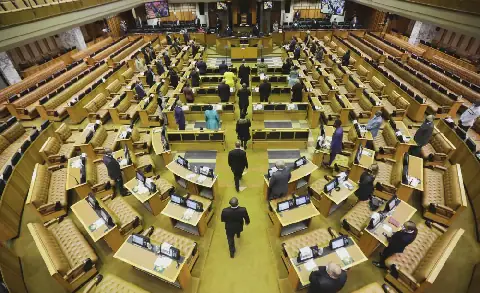
Awuah has outlined steps he intends to pursue in Parliament, including raising questions on the floor and using his position on the Legal Affairs Committee to push for closer scrutiny of the institutions named in the directive. He proposed that the committee's leadership organise visits to some of the agencies to assess whether concrete measures are being implemented to comply with the Attorney-General's instructions.
The MP wants the Attorney-General to bring a legislative instrument to Parliament to regulate how bail powers are exercised. He believes that parliamentary oversight should help determine whether the announced reforms are translating into practical changes within the institutions responsible for arrests, detention, and bail administration. Awuah stressed that tackling the problem would require cooperation among all stakeholders.
Awuah acknowledged the Attorney-General's directive as an important step but emphasized that it does not address the core issues. He urged the Attorney-General to go beyond issuing directives and instead introduce specific guidelines or a legislative instrument to regulate the administrative exercise of bail powers. This, he believes, will help prevent the abuse of power and ensure that suspects are treated fairly.
The issue has sparked a renewed debate on the need for clear guidelines on bail powers in Ghana. Awuah's proposal has been met with support from various stakeholders, who believe that it is essential to establish clear rules to regulate discretionary power. The implementation of such guidelines is expected to have a positive impact on the country's justice system, ensuring that suspects are treated fairly and that the rights of individuals and businesses are protected.
Key points
- The Attorney-General's directive does not go far enough in addressing issues surrounding discretionary bail powers.