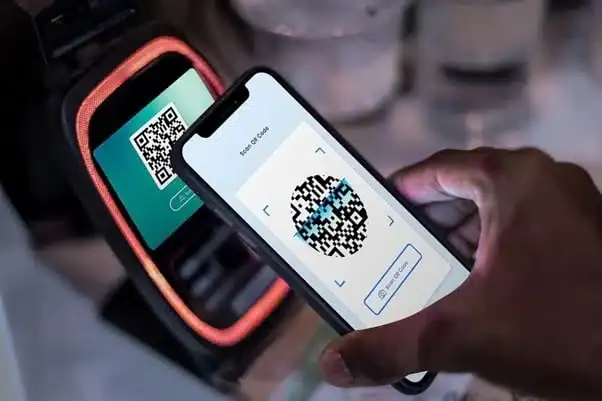
Kenyan President William Ruto has unveiled a digital wallet initiative, dubbed MasterKey, aimed at enabling people to obtain, hold, and share verifiable evidence of qualifications and work experience across countries in Africa. The pilot project will be implemented in Kenya, Ghana, and Rwanda, serving as a digital skills passport to facilitate cross-border job opportunities for the youth. This initiative seeks to widen employment prospects by allowing African credentials to be verified across borders.
MasterKey is built around a digital skills and work wallet, through which participating institutions and employers will issue verifiable records, while individuals will retain control over the information they share. The system is designed to support cross-border work and mobility, with the goal of creating a seamless experience for job seekers. Kenya will lead the first national implementation, with a planned skills and work wallet accessible through its eCitizen platform.
The first phase of the MasterKey initiative targets 150,000 placements across Ghana, Rwanda, and Kenya. The system will not award jobs, visas, or professional recognition; instead, it will provide verifiable records to support decisions made by employers and relevant authorities. This approach aims to promote trust and efficiency in the verification process, ultimately benefiting job seekers and employers alike.
President Ruto announced the initiative at the Accra Reset Full Circle event on the sidelines of the 81st United Nations General Assembly in New York. He emphasized that the ambition is for qualifications or work records issued in one country to be verifiable in another, creating new opportunities for African job seekers. The MasterKey initiative is part of the Accra Reset's wider work on skills, mobility, and economic opportunities.
The Accra Reset programme lists Masterkey among the initiatives being advanced alongside health reform, negotiating capacity, and other areas of cooperation. President Ruto expressed Kenya's readiness to advance the initiative with Ghana, Rwanda, and other African partners. The test of the MasterKey system will be whether trusted records issued in one African country can be recognized and used in another.
The MasterKey initiative has the potential to transform the way African credentials are verified and recognized across borders. By providing a secure and reliable digital skills passport, the system can help to increase trust and efficiency in the verification process. This, in turn, can lead to increased job opportunities for African youth and support economic growth and development in the region.
The success of the MasterKey initiative will depend on the participation of institutions, employers, and individuals. If successful, the system could be expanded to other African countries, creating a wider network of verifiable records and job opportunities. Key stakeholders will be watching closely as the initiative moves forward, with the goal of creating a more seamless and efficient experience for job seekers and employers alike.
Key points
- The MasterKey initiative aims to verify African credentials across borders, creating new job opportunities for the youth.
- The digital skills passport will be accessible through Kenya's eCitizen platform, with a target of 150,000 placements across Ghana, Rwanda, and Kenya.
- The system will not award jobs, visas, or professional recognition, but provide verifiable records to support decisions made by employers and relevant authorities.