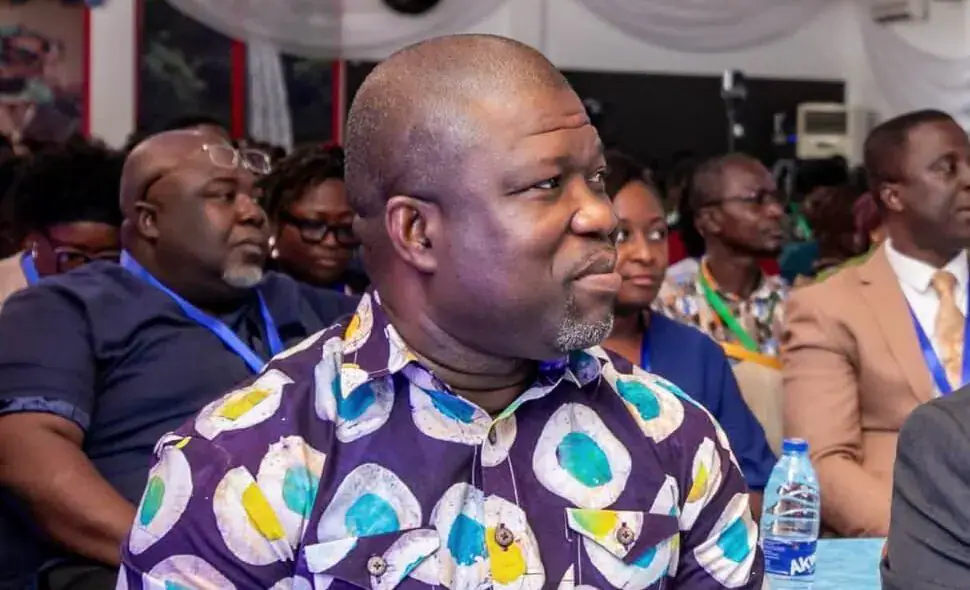
The Volta Regional Minister, Mr James Gunu, has commended the Ghana Institute of Architects (GIA) for their pivotal role in shaping Ghana's national development and cultural identity. He underscored the profession's enduring role as a pillar of modern nation-building, with members' expertise directly impacting how communities functioned and thrived daily. This commendation was given during the GIA Annual General Meeting held on the theme: "Architecture as a Catalyst for Tourism in Ghana."
Mr Gunu emphasized that the role of architects was vital to national progress because they envisioned, planned, and shaped the physical spaces where citizens lived and conducted their businesses. He highlighted that the impact of architects extended far beyond simply drafting building plans to safeguard the environment, ensure public safety, preserve cultural heritage, and improve living standards. The Minister further praised the architectural sector for fueling economic growth through innovative and functional designs.
The Minister noted that these efforts had attracted local and foreign investors, supported commercial enterprises, and spurred construction activities that created employment across the value chain. He also spotlighted the critical role architects play in safeguarding national heritage, restoring historic landmarks while integrating indigenous Ghanaian motifs into modern architecture to keep the nation's unique identity visible.
Mr Gunu encouraged architects and other built-environment professionals to bring their expertise, creativity, and innovation to bear on Ghana's development agenda, particularly in sustainable infrastructure, urban planning, tourism development, and heritage preservation. He said the contribution of architects to the President's Resetting Agenda was vital towards building modern, sustainable, and culturally relevant communities that created opportunities and drove economic growth.
Mr Tony Asare, the President of the GIA, said that countries that took tourism seriously prioritized architecture, treating design not as mere decoration, but as a core national strategy. He expressed concern that much of Ghana's current tourism infrastructure failed to inspire, endure, or authentically reflect the country's identity despite continued investment in the sector.
Mr Asare proposed that a strong collaboration between the Government, the Institute, and the broader built-environment professions was necessary to upgrade the country's tourist sites. He called for the urgent inclusion of architects in a coordinated national programme focused on the conservation, adaptive reuse, and cultural interpretation of Ghana's built heritage.
The President stated that this strategic partnership required a shared national vision that positioned architecture as a central driver of tourism, job creation, cultural preservation, and sustainable development. He emphasized that Ghana's next iconic tourism asset would not emerge by chance, stressing that it must be intentionally designed, built, and protected by Ghanaians.
Key points
- The Ghana Institute of Architects plays a vital role in shaping the country's national development and cultural identity.
- Architects contribute to economic growth through innovative and functional designs that attract investors and create employment.
- A strong collaboration between the Government and the Institute is necessary to upgrade tourist sites and prioritize architecture in tourism policy and planning frameworks.
Reporting sources
- Ghana Institute of Architects commended for their role in national development · Ghana News Agency