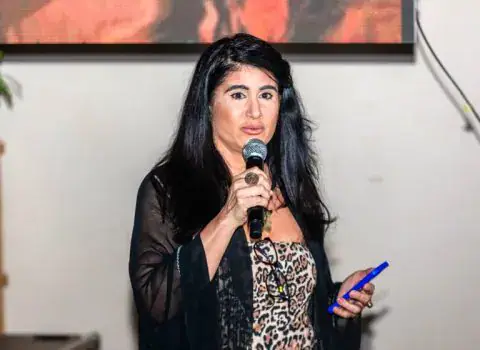
The Brazilian Embassy in Burkina Faso marked Black Consciousness Day on November 20, 2026, with a celebration at its official residence in Ouaga 2000. The event brought together several guests, including the President of the Farafina Black Peoples Institute, Dr. Apollinaire Joachimson Kyelem de Tambèla, a former Burkinabè Prime Minister, Ghanaian Ambassador to Burkina Faso Kenneth Akibate, and Burkinabè writer and environmental engineer Yarba Mohammed Dabo.
The celebration commemorated the national day of Zumbi and Black Consciousness in Brazil, which has been a national holiday since 2024. November 20th honors the resistance to slavery, the contributions of African people to Brazil, and the fight against racism. Brazil experienced over three centuries of slavery, with millions of Africans forcibly brought to the country and enslaved. Despite the violence, they preserved and transmitted their knowledge, religions, music, and traditions, which are now part of Brazilian identity.
The date November 20th is a tribute to Zumbi dos Palmares, who died on that day in 1695 and became a symbol of resistance against slavery. He led the Quilombo dos Palmares, a community of people who had escaped servitude and decided to live freely. The Brazilian black movement chose November 20th, rather than May 13th, the official abolition of slavery, as a symbol of freedom conquered by the resistance of the black population itself.
The celebration in Ouagadougou featured a screening of the Brazilian film Malês, which tells the story of resistance and courage against slavery. The event also included speeches by the guests of honor, who reflected on the Brazilian experience and its connections to African issues of memory, resistance, and dignity. The Brazilian Embassy's Chargée d'affaires, Claudia Assaf Bastos, emphasized the importance of preserving this memory and promoting human dignity.
For Claudia Assaf Bastos, celebrating Black Consciousness Day in Ouagadougou has a special meaning, as millions of Africans were forcibly taken to Brazil and contributed to the country's languages, beliefs, music, and knowledge. The celebration aimed to strengthen historical and cultural ties between Brazil and Africa and provide a space for reflection on slavery, resistance, and human equality and dignity.
The event highlighted the significance of African heritage in Brazil, where over half of the population identifies as black or mixed-race. The African influence can be heard in Brazilian music, seen in its cultural expressions, and felt in its traditions. The celebration in Ouagadougou demonstrated the shared history and cultural connections between Brazil and Africa.
Key points from the celebration include the importance of preserving the memory of slavery and resistance, promoting human dignity and equality, and strengthening cultural ties between Brazil and Africa. The event showcased the rich cultural heritage of African people and their contributions to Brazilian identity.
Key points
- The Brazilian Embassy in Burkina Faso celebrated Black Consciousness Day to honor African resistance and promote human dignity.
- The event highlighted the significance of African heritage in Brazil and its cultural expressions.
- The celebration aimed to strengthen historical and cultural ties between Brazil and Africa.