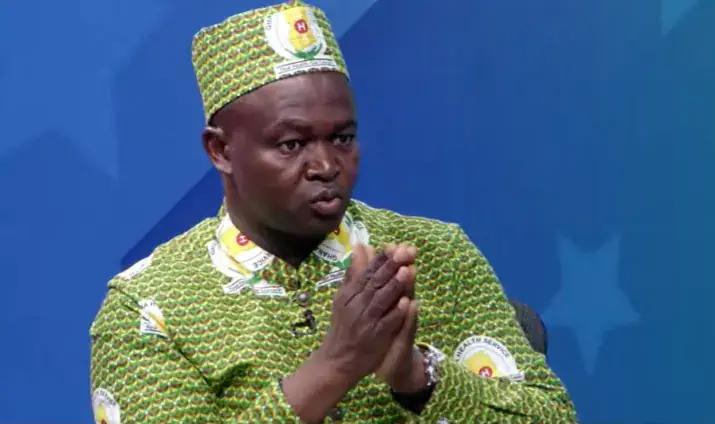
The Ghana Health Service (GHS) has activated its preparedness arrangements for Ebola and conducted simulation exercises to strengthen the country's ability to respond to a possible outbreak. This move is part of efforts to enhance the nation's response to potential health threats. The GHS is monitoring developments across affected countries and coordinating with relevant institutions to assess potential risks to Ghana. The country has intensified surveillance and emergency planning following reports of Ebola outbreaks in parts of Africa.
The Director-General of the GHS, Dr. Samuel Kaba Akoriyea, stated that Ghana is in the preparedness phase and has begun testing its response arrangements through simulation exercises. He mentioned that the country is closely monitoring the situation in the Democratic Republic of the Congo (DRC) and Uganda, as well as concerns about possible cross-border transmission. Dr. Akoriyea emphasized the importance of being prepared, citing the rapid spread of the disease across borders.
The GHS is using its Public Health Emergency Operations Centre at Pantang to monitor international health developments and coordinate preparedness activities. The centre operates around the clock, allowing health officials to track emerging threats and respond to developments that could have implications for Ghana. This proactive approach enables the GHS to stay informed about potential health risks and respond promptly.
Dr. Akoriyea revealed that the GHS has carried out about three simulation exercises since concerns about the disease emerged in the region. These exercises have been crucial in testing the country's response to a public health emergency, including the identification and management of suspected cases, communication between agencies, and the mobilisation of resources. The simulation exercises have helped to identify areas for improvement and strengthen the country's response.
The GHS's preparedness activities began earlier when the outbreak in the DRC was reported. The Service has been working closely with various agencies, including those responsible for education, security, social welfare, local government, and emergency management. This multi-agency approach reflects the need for a coordinated response if an outbreak occurs. The involvement of various stakeholders ensures a comprehensive response to potential health threats.
Dr. Akoriyea emphasized that Ghana's preparations involve a broad range of institutions beyond the health sector. He attended meetings involving agencies responsible for cross-border issues, highlighting the importance of collaboration in responding to public health emergencies. The GHS is working closely with relevant agencies to ensure a coordinated response to potential health threats.
The Ghana Health Service's proactive approach to Ebola preparedness demonstrates its commitment to protecting the country's health security. The simulation exercises and coordinated response efforts have enhanced the country's ability to respond to potential health threats. The GHS will continue to monitor the situation and work closely with relevant agencies to ensure a comprehensive response to potential health risks.
Key points
- The Ghana Health Service has activated its preparedness arrangements for Ebola and conducted simulation exercises to strengthen the country's response to a possible outbreak.
- The GHS is working closely with various agencies, including those responsible for education, security, social welfare, local government, and emergency management, to ensure a coordinated response to potential health threats.
- The Public Health Emergency Operations Centre at Pantang is operating around the clock to monitor international health developments and coordinate preparedness activities.