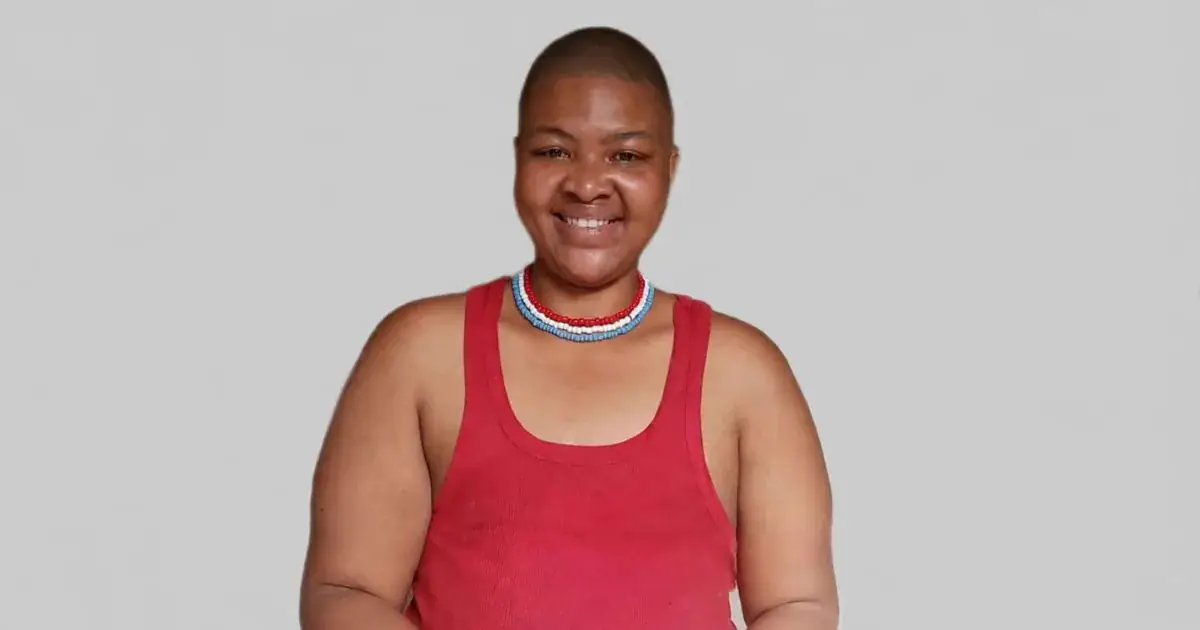
Dorian Offrè Ntlali, a South African intersex person, has a story of navigating rejection, finding community, and continuing to seek belonging while embracing their differences. Growing up in a family with a strong traditional healing background, Ntlali's differences were initially understood through cultural and spiritual beliefs rather than as a natural variation in human sex characteristics. This led to dismissal, confusion, and pressure to conform. Ntlali now shares their experiences as the head of outreach and social media personnel at Alexandra Rainbow Clan, helping others understand the realities of intersex lives.
Ntlali recalls their childhood as being shaped by constant questions about their identity and repeated expectations that they should conform to the gender they had been assigned. They were told they were a girl almost daily, but didn't know what made them different. Their mother, a traditional healer, initially struggled to understand their experiences, interpreting their differences through a spiritual lens. This led to ceremonies and rituals intended to make them conform, as well as conversion therapy, none of which changed who they were.
The pressure to conform extended beyond the home, with Ntlali frequently being asked whether they were a girl or a boy in Alexandra, and their clothing choices attracting scrutiny. At school, they faced questions and public reactions that made them feel they constantly had to defend themselves. Ntlali chose to attend a public school where they could wear trousers and focus on their education, but the experience left them feeling isolated, particularly during childhood, when they wished someone would listen without trying to change them.
For years, Ntlali struggled to find information that could help them understand their body. Conversations about sexual orientation and gender diversity often left little room for understanding intersex experiences. Even after doctors identified differences in their hormone levels, Ntlali was not given a clear explanation of their intersex identity. Repeated referrals left them without the answers they needed, and they eventually stopped following up.
After experiencing a prolonged period of depression, Ntlali began reaching out to activists and sharing their experiences on Facebook. This led to a connection with Crystal Hendricks, then coordinator of Intersex South Africa, an organisation advocating for intersex people's rights. For Ntlali, encountering other intersex people was a turning point, allowing them to learn more about their body and the diversity of intersex experiences.
Ntlali's relationship with African spirituality remains an important part of their life, although their journey into traditional healing has been complicated by the limited understanding of gender diversity in some traditional settings. They have struggled to progress in an environment where they do not always feel understood, and often find themselves navigating how others perceive them. Ntlali believes there needs to be room for intersex and gender-diverse people to participate without being forced into categories that do not reflect their experiences.
As Intersex Awareness Day is observed, Ntlali wants families, traditional healers, and communities to understand that intersex people should not be treated as problems that need to be corrected. They urge families to listen to children, respect their privacy, and resist the pressure to make them conform to other people's expectations. Ntlali's journey towards self-acceptance continues, but finding a community where their experiences were recognised gave them a sense of possibility they had previously lacked.
Key points
- Intersex people in South Africa face significant challenges, including pressure to conform to societal expectations and limited understanding of intersex experiences.
- Dorian Offrè Ntlali's story highlights the importance of community and acceptance for intersex individuals.
- Ntlali urges families and communities to listen to and respect intersex individuals, rather than trying to change them.