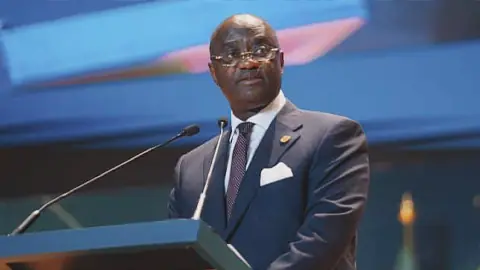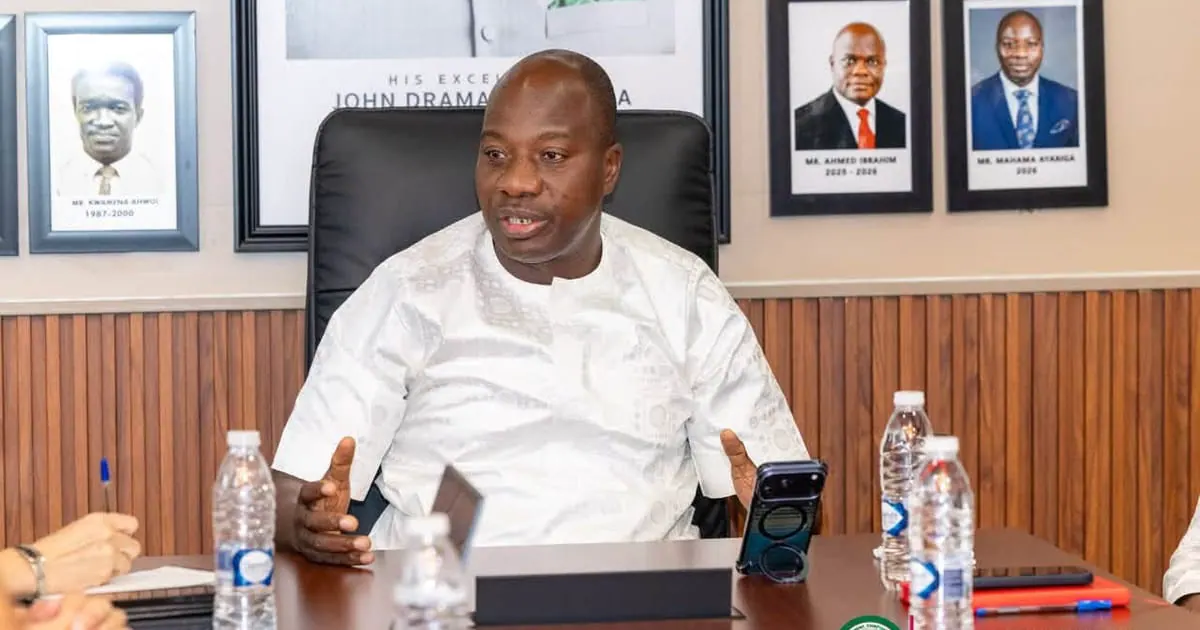
The Ghanaian government has announced plans to revitalise the Chieftaincy Act, aiming to restore the powers of chiefs to summon subjects who breach laws and disturb the peace in their communities. This move is part of efforts to strengthen traditional governance and ensure stability within the chieftaincy institution. Minister of Local Government, Chieftaincy and Religious Affairs, Mahama Ayariga, made the announcement at the 2026 Asogli Te Za in Ho on Saturday, October 3.
Minister Ayariga also disclosed that the government is finalising 17 lines of succession to stools and skins for submission to Parliament. This development is expected to bring clarity and reduce chieftaincy disputes. According to the Minister, the revitalised Chieftaincy Act will enable chiefs to summon subjects who breach laws and disturb peace in their communities, while the lines of succession will clarify who has the capacity to nominate, elect and select persons to occupy stools and skins.
The Minister further explained that the instruments will reduce conflicts over eligibility to occupy stools and skins. This move is part of the government's efforts to promote cultural heritage and enhance religious harmony. Minister Ayariga emphasised the invaluable role of chiefs, queen mothers, and religious leaders in nurturing honesty, guiding purpose, and promoting peace in the nation.
Since assuming office, the government has worked to improve resource allocation to traditional authorities. This has enabled them to organise meetings and resolve chieftaincy conflicts, including the construction and upgrading of office complexes for Houses of Chiefs, particularly in the newly created regions. The Minister highlighted the government's commitment to working closely with the chieftaincy institution.
The revitalisation of the Chieftaincy Act and the finalisation of lines of succession are expected to have a positive impact on traditional governance in Ghana. The Minister's announcement was made at a significant event, the 2026 Asogli Te Za, which brought together various stakeholders to discuss issues related to chieftaincy and traditional governance.
According to TV3 Ghana, the government is working hard to revitalise the Chieftaincy Act. The Minister's statement was reported by Felix Anim-Appau, a journalist with the Daily Briefing. The government's efforts to strengthen traditional governance have been widely reported in the Ghanaian media.
The revitalised Chieftaincy Act is expected to be submitted to Parliament for passage. Once passed, it will provide a framework for traditional governance in Ghana, clarifying the roles and responsibilities of chiefs and other traditional authorities. The government's efforts to promote cultural heritage and enhance religious harmony are also expected to continue.
Key points
- The Ghanaian government is working to revitalise the Chieftaincy Act to restore chiefs' powers to summon subjects who breach laws and disturb the peace in their communities.
- The government is finalising 17 lines of succession to stools and skins for submission to Parliament to bring clarity and reduce chieftaincy disputes.
- The revitalised Chieftaincy Act and the lines of succession are expected to strengthen traditional governance and promote cultural heritage in Ghana.