A recent study by the International Labour Organization (ILO) has projected that Ghana may lose the equivalent of 550,000 full-time jobs by 2040 due to rising temperatures and workplace heat stress. This projection is part of a wider ILO assessment that also covers Ethiopia and Senegal. The study highlights the significant impact of heat stress on working hours and productivity, particularly in sectors such as agriculture and construction.
The ILO study warns that heat stress could collectively wipe out approximately 2.46 million full-time equivalent jobs across Ghana, Ethiopia, and Senegal by 2040. The combined annual losses to Gross Domestic Product (GDP) are estimated to reach roughly $67 billion compared with historical averages. Ethiopia is expected to face the steepest toll, with an estimated 1.78 million full-time equivalent jobs at risk and annual GDP losses of $33.3 billion.
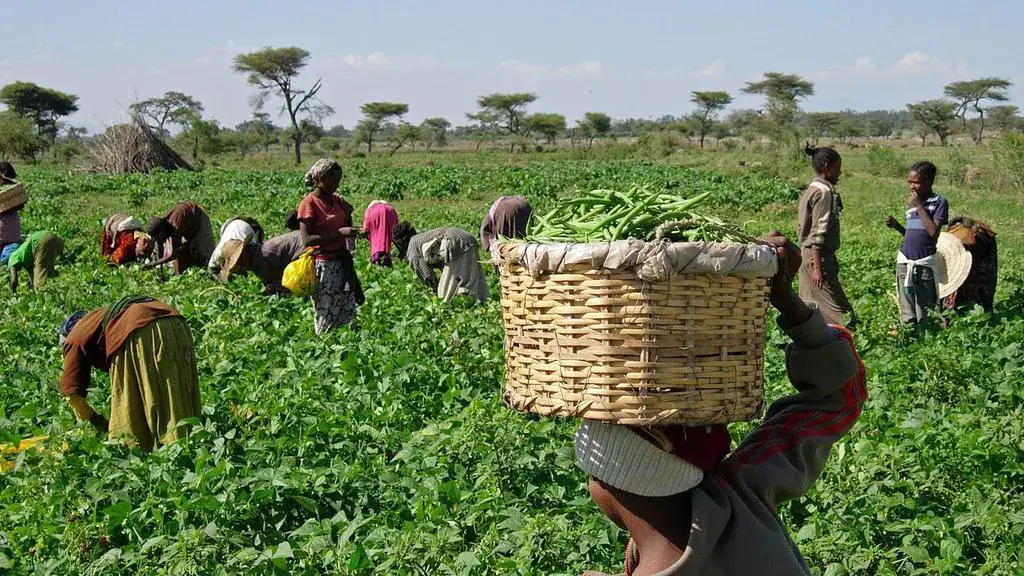
Ghana's agriculture sector accounted for around two-thirds of the lost working time in 2023 due to heat stress, with the construction sector also being significantly affected. The ILO notes that these sectors are the most vulnerable to productivity losses from extreme heat due to their physically demanding and outdoor nature. The effects of heat stress are not limited to these sectors, as they also ripple through manufacturing, transport, trade, services, and the informal economy.
The ILO's Regional Director for Africa, Fanfan Rwanyindo Kayirangwa, emphasized that the findings show heat stress has moved beyond being purely an environmental concern. The study highlights the need for urgent action to mitigate the effects of heat stress on workers and the economy. The ILO's projection is based on a low-emissions pathway, which suggests that the impact of heat stress could be reduced if efforts are made to reduce greenhouse gas emissions.
In 2023, Ghana recorded the equivalent of more than 345,000 additional full-time jobs lost to workplace heat stress compared with an average year in the historical reference period. This significant loss of working hours and productivity has a substantial impact on the country's economy. The ILO study emphasizes the need for policymakers and stakeholders to take proactive measures to address the effects of heat stress on workers and the economy.
The ILO study also notes that workers in the informal economy, who rely on daily earnings, may have little choice but to keep working through the hottest hours, risking their health to protect their income. This highlights the need for targeted interventions to support vulnerable workers and ensure that they have access to social protections and support. The study's findings have significant implications for policymakers, stakeholders, and workers in Ghana and beyond.
The ILO's warning emphasizes the need for urgent action to address the impact of heat stress on workers and the economy. With the projected loss of 550,000 jobs by 2040, Ghana must take proactive measures to mitigate the effects of heat stress and protect the livelihoods of its workers. The study's findings highlight the importance of addressing the root causes of heat stress and promoting sustainable and equitable economic growth.
Key points
- Ghana could lose 550,000 jobs to heat stress by 2040.
- The ILO study projects combined annual GDP losses of roughly $67 billion across Ghana, Ethiopia, and Senegal by 2040.
- Agriculture and construction are the sectors most vulnerable to productivity losses from extreme heat.