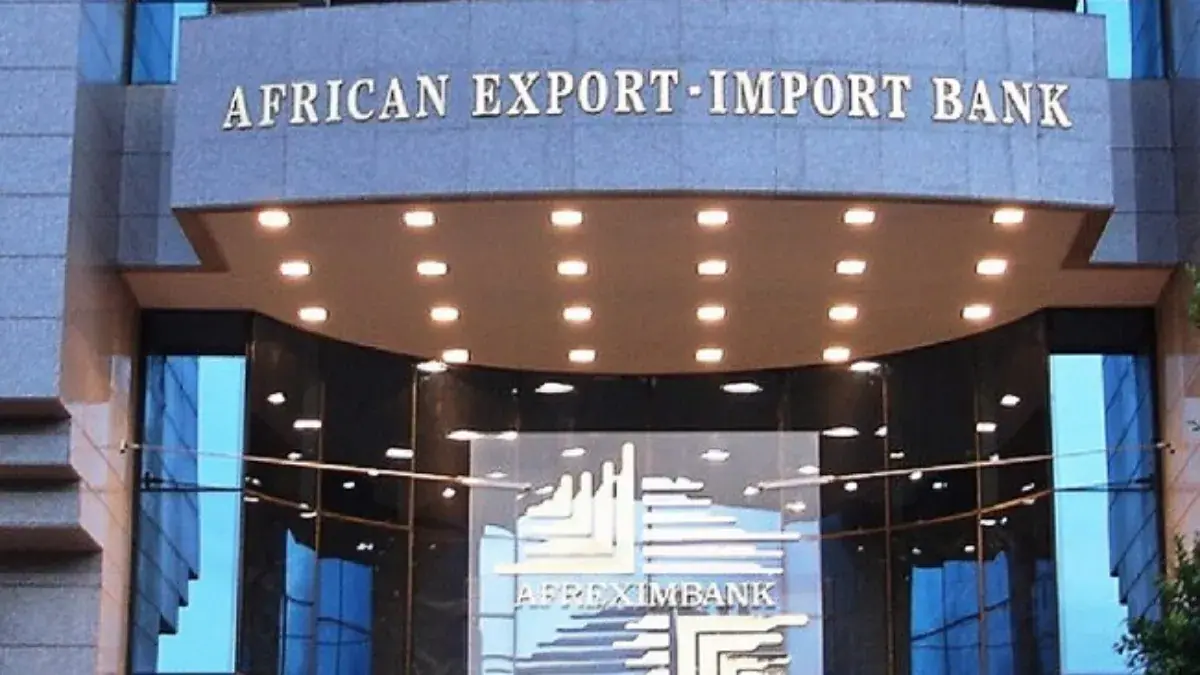
Afreximbank and the Organization of African Petroleum Producers (APPO) have officially launched the African Energy Bank (AEB) with an authorized capital of $5 billion. The bank's primary objective is to finance the entire energy value chain, including exploration, production, transportation, transformation, refining, and distribution. This move is seen as a significant step towards Africa taking control of its energy future. The launch was announced during the bank's inaugural general assembly in Abuja, Nigeria.
The creation of the African Energy Bank is a response to the changing landscape of energy financing. The World Bank has stopped financing upstream oil and gas activities since 2019, and the African Development Bank has also ceased investing in fossil fuel projects. This has left several major projects waiting for funding, including the Ubeta gas field, estimated to be worth $550 million, and the Bonga North oil project, valued at $5 billion.
The African Energy Bank aims to address the significant investment needs of the continent's energy sector, estimated at $200 billion. To achieve this, the bank plans to attract funds from governments, national oil companies, financial institutions, and private investors. The bank's leadership has been established, with Helmy Ghazi appointed as the first president, and a board of directors composed of representatives from the public and private sectors, as well as institutions recognized for their policy-making expertise.
The launch of the African Energy Bank is seen as a crucial step towards ensuring African participation in the continent's energy sector. The bank's founders emphasize the need for a "solid African participation" in the sector, with the goal of shaping Africa's energy future "by Africans." This move is expected to promote a "just energy transition" for African countries, although the specific timeline for this transition has not been detailed.
The African Energy Bank will focus on financing projects across the entire energy value chain. This includes exploration and production, transportation, transformation, refining, and distribution. By providing financing for these projects, the bank aims to support the development of Africa's energy sector and promote economic growth.
The establishment of the African Energy Bank is also seen as a response to the emerging opportunities in the energy sector, driven by technological advancements such as artificial intelligence. The bank's leadership believes that this new era presents significant industrial opportunities for Africa, and that the bank can play a key role in harnessing these opportunities.
The African Energy Bank is expected to play a critical role in shaping the future of Africa's energy sector. With its $5 billion capital and broad mandate, the bank is well-positioned to support the development of the continent's energy infrastructure and promote economic growth. As the bank begins its operations, it will be closely watched by stakeholders across the continent.
Key points
- The African Energy Bank has been launched with an authorized capital of $5 billion to finance the continent's energy sector.
- The bank aims to attract funds from governments, national oil companies, financial institutions, and private investors to address the $200 billion investment needs of the continent's energy sector.
- The bank's launch is seen as a significant step towards promoting African participation in the energy sector and shaping the continent's energy future.